Turmeric has moved a long way from the back of the spice cupboard. Across Australia it now turns up in golden lattes in Melbourne cafes, morning smoothies in Bondi, and the everyday curry pots of home cooks from Perth to Brisbane. As demand has grown, so has the number of tubs on supermarket and health-food shelves simply labelled "turmeric" or "organic turmeric" — with very little to show for how it was actually grown, tested or brought into the country.
This guide sets out, in plain terms, what genuine organic turmeric is, how its curcumin content is measured and why that figure matters, what Australia's biosecurity and food-safety rules mean for anything imported from overseas, and how certified Indian farms get organic turmeric onto Australian shelves in the first place.
What "Organic Turmeric" Actually Means
Organic turmeric is turmeric root (Curcuma longa) grown without synthetic pesticides, chemical fertilisers or genetically modified inputs, on land that has typically been free of prohibited chemicals for several growing seasons. The farm, the drying process and the milling facility are all inspected by an accredited certifying body before the powder can carry an organic claim.
Here's the part that catches a lot of Australian buyers out: unlike the United States or the European Union, Australia does not yet have one single, legally binding definition of "organic" for food sold on the domestic market. Certification remains voluntary for goods sold within Australia, which is exactly why the word can appear on a label without any recognised certifier standing behind it. There has been genuine public debate about tightening this up — including a proposed national organic standard that has been considered by the Australian Parliament — but until any such standard becomes mandatory, the safer approach is to look past the word itself and check for an actual certification mark, or ask the seller for paperwork.
Genuine organic turmeric isn't defined by the word on the front of the packet — it's defined by the certificate, the lab report and the paper trail sitting behind it.
In India, turmeric is also known by its Hindi name, haldi, and you'll sometimes see both terms used interchangeably by exporters. Whichever name is on the box, the same rules around growing method, certification and testing apply.
Curcumin: The Number That Actually Matters
Colour and aroma tell you turmeric is reasonably fresh, but they don't tell you much about quality. The figure that really separates an everyday cooking turmeric from a premium, high-potency batch is its curcumin content — the naturally occurring compound responsible for turmeric's colour and most of its reputation.
Curcumin is measured through HPLC (high-performance liquid chromatography) testing at an independent laboratory, with the result recorded on a Certificate of Analysis. Broadly speaking, organic turmeric reaching Australia falls into four rough bands:
Organic Turmeric Curcumin Bands (HPLC Tested)
Culinary Grade
Everyday cooking & drinks
Standard Export
Typical retail packs
Premium Grade
Blending & formulation
High-Curcumin
Extract & supplement use
Figures are indicative bands, not guarantees. Always ask your supplier for the batch-specific Certificate of Analysis.
For most Australian households, culinary turmeric testing around 3 to 5 percent curcumin is more than enough for cooking, teas and lattes. Buyers looking for a more concentrated product for blending or extract work generally look for testing closer to 6 to 7 percent and above, which tends to come from particular growing regions of India known for naturally higher curcumin content in their soil and growing conditions.
From an Indian Farm to an Australian Pantry
Very few Australian shoppers ever see what happens between a turmeric rhizome coming out of the ground and a jar landing on a shelf in Sydney or Adelaide. The path is longer, and more closely checked, than most people assume:
Farm to Pantry: The Journey to Australia
Harvest and traditional curing
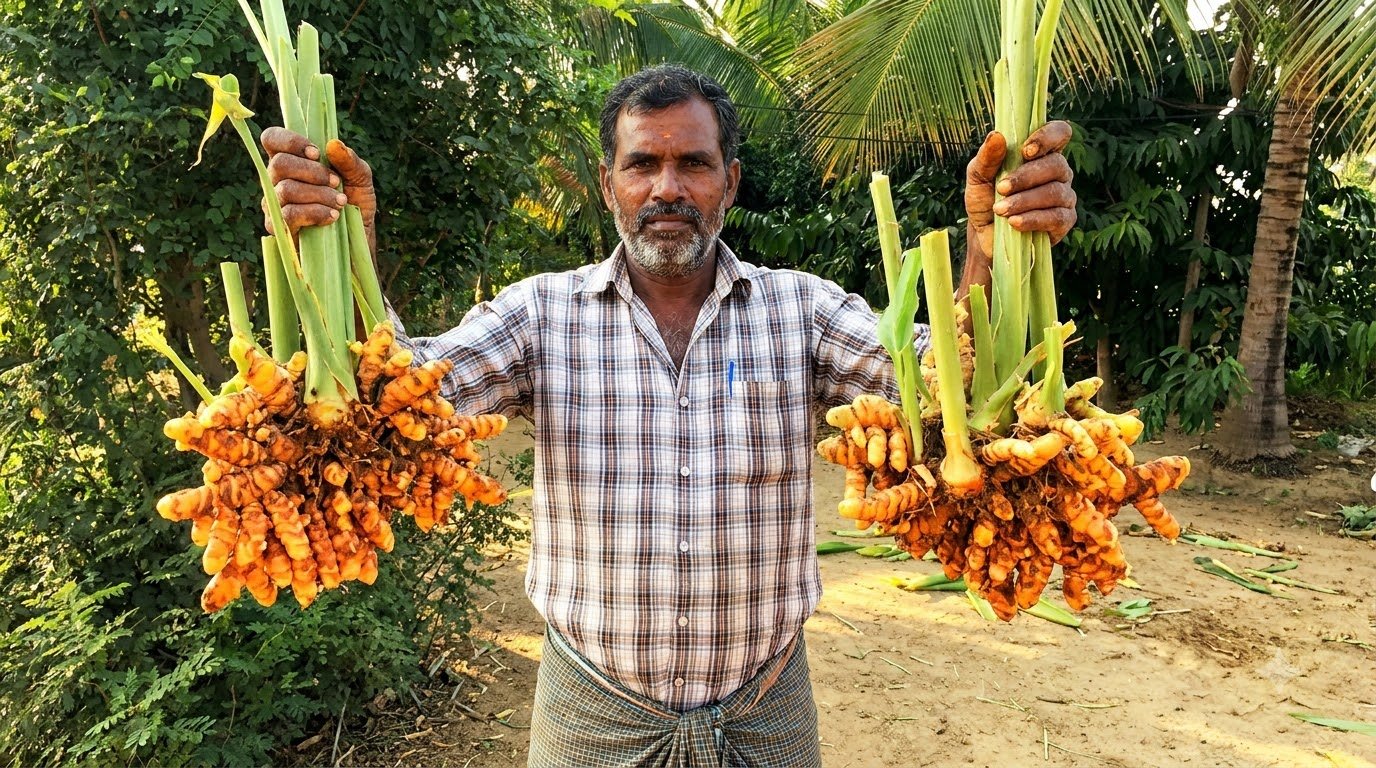
Rhizomes are hand-harvested, boiled and sun-dried on the farm using methods that help protect curcumin levels.
Organic-certified milling
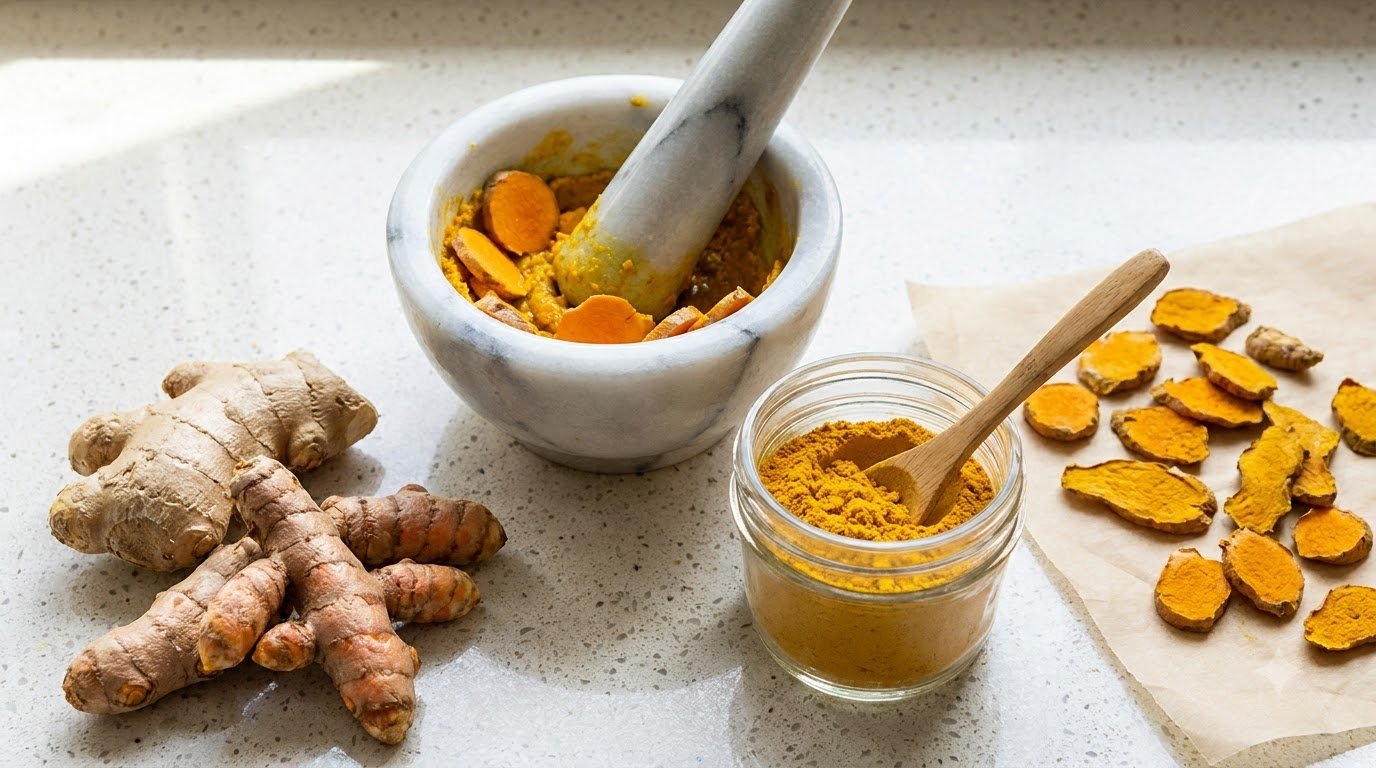
Dried fingers are cleaned and stone-ground at a certified organic facility, with each batch kept separate and traceable.
Laboratory testing for the COA
An independent lab runs HPLC testing for curcumin, plus checks for moisture, heavy metals and microbial counts.
Export documentation
The exporter prepares India's organic transaction certificate, a phytosanitary certificate and full shipping paperwork for the batch.
Australian biosecurity clearance
The shipment is checked against import conditions in the Department of Agriculture, Fisheries and Forestry's BICON system, with inspection or treatment applied if required.
Onto Australian shelves
Once cleared, the turmeric moves through Australian distributors, health-food stores and kitchens under standard food-safety rules.
The step that surprises a lot of importers is the last one — even after a shipment has cleared the border, food-safety compliance under the Australia New Zealand Food Standards Code keeps applying, right through to labelling, storage and sale at the retailer.
Why Turmeric Has Become a Household Staple in Australia
Interest in turmeric has grown steadily across Australia over the past decade or so, driven by curiosity about curcumin, the popularity of Ayurvedic-inspired cooking, and a general shift towards recognisable, minimally processed pantry staples. A few figures help put that shift into context:
Turmeric's Rise in Australian Kitchens
Years of steady growth
In Australian household interest in turmeric and curcumin
Of global turmeric grown in India
The main source of the turmeric sold across Australia
Reported lift in curcumin absorption
When paired with black pepper and a source of fat
Typical shelf life of dried powder
When stored correctly in an airtight container
This section is general information, not medical advice. If you're weighing up turmeric or curcumin for a specific health concern, or you take blood-thinning medication, it's worth a quick chat with your GP or pharmacist first.
Biosecurity, Certification and Australian Import Rules
Bringing organic turmeric into Australia — whether it's a small trial order or a full container — means working within a few overlapping systems.
Biosecurity import conditions
The Department of Agriculture, Fisheries and Forestry checks incoming plant products, including dried and powdered spices, through its Biosecurity Import Conditions system, known as BICON. Turmeric powder typically falls under the department's case for powdered herbs intended for human consumption, and depending on how it has been processed and packaged, an import permit, a specific treatment or extra documentation may apply. Because these conditions are reviewed and updated regularly, a responsible importer checks the current BICON case before each shipment rather than assuming last year's requirements still apply.
Food standards compliance
Once biosecurity conditions are satisfied, the turmeric still needs to meet the Australia New Zealand Food Standards Code, which governs labelling, contaminant limits and general food safety for anything sold in Australia or New Zealand — whether it was grown locally or imported.
Organic certification, both ends
On the Indian side, genuine organic turmeric for export is certified under India's National Programme for Organic Production, with a transaction certificate issued for each consignment. On the Australian side, recognised certifiers such as Australian Certified Organic and Southern Cross Certified audit farms, processors and importers against Australian organic standards. A supplier who can produce both the Indian export certificate and clear paperwork for the specific shipment gives an Australian buyer far more confidence than a bag that simply prints the word "organic" on the front.
A Practical Checklist Before You Buy
Whether you're picking up a single jar or sourcing a pallet for a business, the same handful of checks separate a genuine product from an ordinary one:
Quality Checklist for Australian Buyers
Certification on file. A genuine Indian export certificate, not just the word "organic" on the packet.
A batch-specific COA. Curcumin percentage, moisture and contaminant results for that exact shipment.
Clear country of origin. A named growing region in India, not just "imported spice".
BICON-compliant paperwork. Import documentation that matches current Australian biosecurity conditions.
No unnecessary fillers. Testing that rules out starch, added colour or other bulking agents.
A supplier who answers questions. Someone happy to explain testing, origin and shipping, not just the sale.
It's also worth knowing what to watch for. Low-grade turmeric is sometimes bulked out with starch or coloured with substances that have no place in food. A supplier who welcomes questions about testing and origin is a good sign; one who can't, or won't, answer them is reason enough to look elsewhere.
Simple Ways to Use Organic Turmeric
You don't need to be running a supplement business to make the most of a jar of organic turmeric. Some of the most common ways it's used day to day:
- Golden milk: Warm a cup of milk, dairy or plant-based, with half a teaspoon of turmeric, a pinch of black pepper and a little honey — a popular wind-down drink on cooler evenings.
- Turmeric tea: Steep fresh or dried turmeric with ginger and a squeeze of lemon for a warm, caffeine-free drink.
- Smoothies: A quarter teaspoon blends well with mango, pineapple, banana or ginger without overpowering the flavour.
- Everyday cooking: Curries, dhals, roast vegetables, rice and even scrambled eggs all take well to a pinch of turmeric.
- Homemade face masks: Mixed with yoghurt or honey, though it's worth patch-testing first, as turmeric can temporarily stain fair skin.
A tip worth knowing: curcumin is poorly absorbed on its own. Adding a pinch of black pepper and a little fat — such as the ghee or coconut oil in a golden milk recipe — can meaningfully improve how much the body takes up.
Storing Turmeric in the Australian Climate
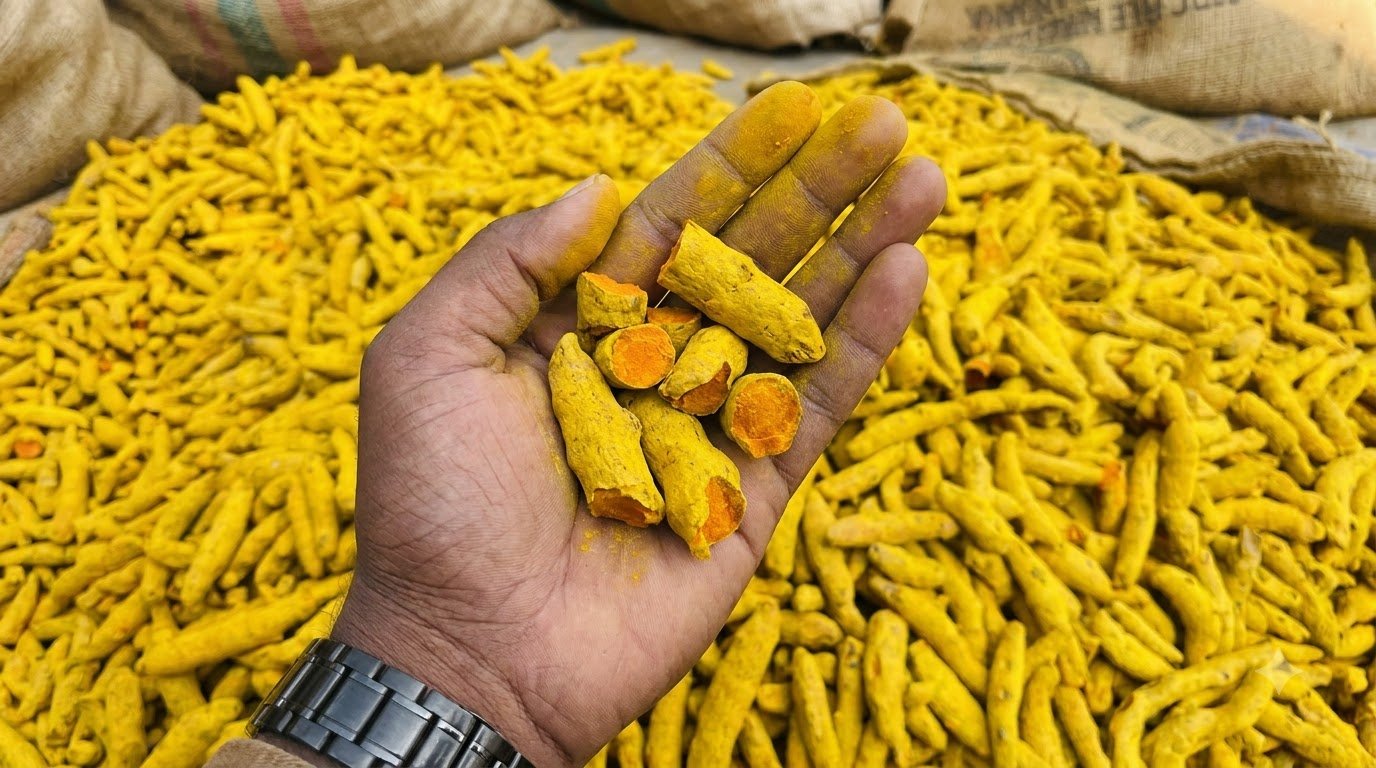
Turmeric is a fairly hardy spice, but Australia's warmer and more humid regions can shorten its shelf life if it isn't stored properly. Keep powder in an airtight glass or ceramic jar, out of direct sunlight and away from the heat of the stovetop — a cupboard away from an exterior wall is usually the coolest spot in the kitchen. Stored this way, dried organic turmeric powder generally holds its colour, aroma and curcumin content for around two years. Fresh turmeric root doesn't keep nearly as long — refrigerate it and use it within a couple of weeks.
Frequently Asked Questions
What does "organic turmeric" actually mean in Australia?
Organic turmeric is turmeric root grown without synthetic pesticides or chemical fertilisers and certified by a recognised organic certifier. Australia does not currently have a single mandatory domestic standard for the word "organic" on food, so the safest approach is to look for a genuine certification mark or import documentation rather than relying on the word alone on the packet.
Is it legal to bring organic turmeric from India into Australia?
Yes, provided it meets the Department of Agriculture, Fisheries and Forestry's biosecurity import conditions, checked through the BICON system, and complies with the Australia New Zealand Food Standards Code. Depending on how the turmeric is processed and packaged, an import permit, treatment or additional documentation may be required, so importers should confirm the current case in BICON before shipping.
How much curcumin should good organic turmeric contain?
Quality organic turmeric typically contains between 3% and 9%+ curcumin by weight, measured by HPLC testing. Everyday culinary turmeric usually sits around 3 to 5%, while turmeric grown for supplement or extract use is tested closer to 6 to 9% or higher. A genuine supplier will be able to provide a Certificate of Analysis showing the exact figure for each batch.
What is the difference between Australian and Indian organic certification?
Australian certifiers such as Australian Certified Organic and Southern Cross Certified assess farms and processors against Australian organic standards, while Indian turmeric exported as organic is generally certified under India's National Programme for Organic Production. Reputable exporters carry both the Indian certificate and equivalence documentation recognised for the destination market, which importers should ask to see.
Where can Australians buy authentic organic turmeric?
Authentic organic turmeric is sold through certified organic grocers, health food stores, and specialist importers who deal directly with Indian growers. For bulk or wholesale orders, buying farm-direct with a valid organic certificate, a Certificate of Analysis and clear BICON-compliant import paperwork gives the strongest guarantee of quality and origin.
How should organic turmeric powder be stored in Australia's climate?
Keep organic turmeric powder in an airtight glass or ceramic container, away from direct sunlight, humidity and kitchen heat. In warmer or coastal parts of Australia, a cool pantry cupboard works better than a shelf near a stove or window. Stored well, dried turmeric powder holds its colour, aroma and curcumin content for up to around two years.
Is organic turmeric safe to use every day?
For most healthy adults, using organic turmeric in everyday cooking amounts is considered safe. This information is general in nature and not a therapeutic claim. Anyone taking blood-thinning medication, managing gallbladder issues, pregnant, or considering higher-dose curcumin supplements should speak with a doctor or pharmacist first.
The Bottom Line
Turmeric earned its place in Indian kitchens over thousands of years, and it's steadily earning a similar place in Australian ones. But "organic" is only a meaningful word when there's a certificate, a lab result and a paper trail behind it. Whether you're buying a single jar for the pantry or sourcing pallets for a business, the checklist doesn't really change: ask for the certification, ask for the Certificate of Analysis, know the curcumin percentage, and buy from a supplier who is upfront about where the turmeric was grown and how it made its way to Australia.
Done properly, organic turmeric sourced direct from certified Indian farms is one of the more straightforward ways to bring a well-tested, traceable ingredient into an Australian kitchen — golden colour included.