If you have ever stirred a spoonful of golden powder into warm milk, brewed a turmeric latte, or reached for a curcumin capsule, you have already met organic haldi. "Haldi" is the Hindi word for turmeric — the vivid golden root that has anchored Indian kitchens, medicine cabinets, and rituals for nearly four thousand years. Today, this same root has become one of the most researched botanicals in the world, and demand for certified organic haldi is rising fast across the United States.
This guide walks you through everything that matters when choosing organic haldi: what the term actually means, how curcumin content is measured, the health benefits backed by science, and how American buyers — from supplement brands to home cooks — can source authentic, certified turmeric straight from Indian farms.
What Is Organic Haldi?
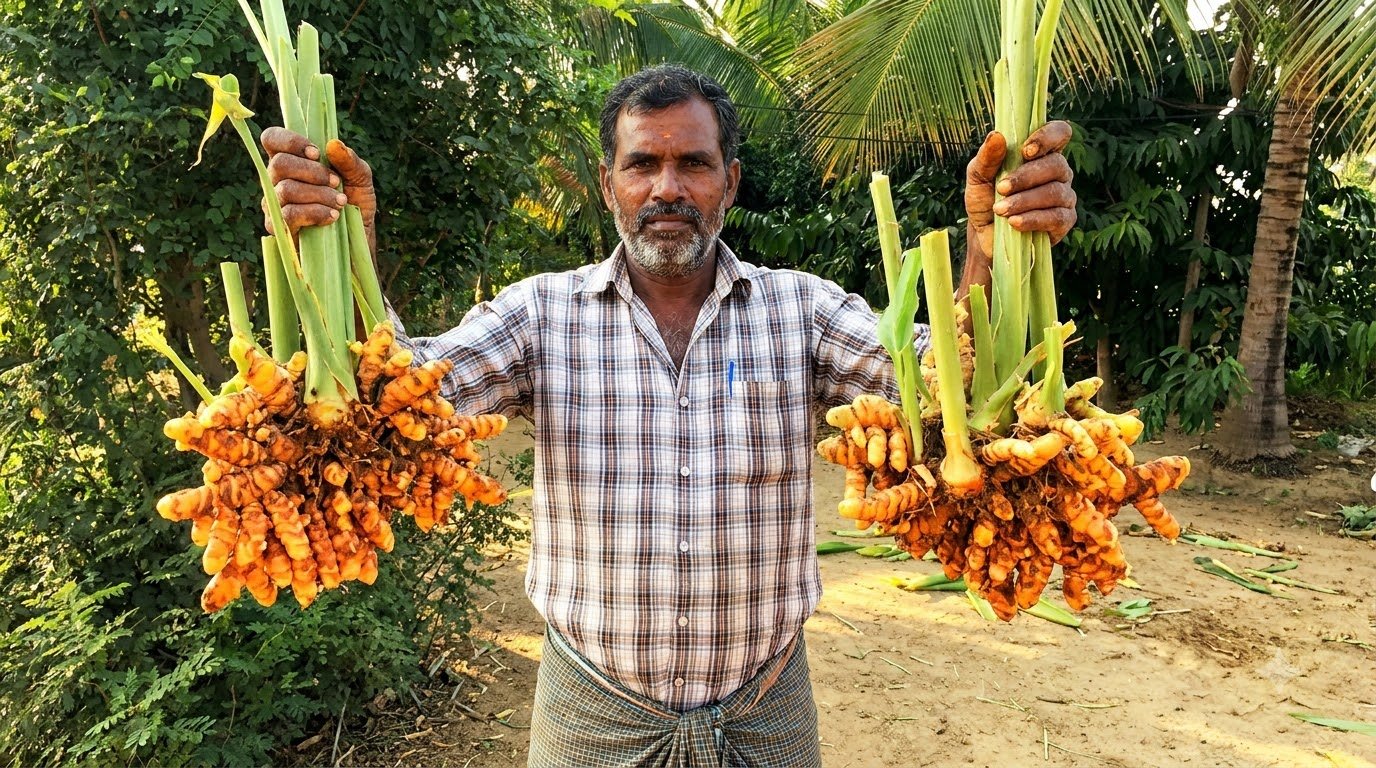
Organic haldi is turmeric (Curcuma longa) grown without synthetic pesticides, chemical fertilizers, or genetically modified inputs, and verified by an accredited organic certification body. In practice, that means the soil has been chemical-free for at least three years, the farmer uses compost, neem-based pest control, and crop rotation, and every harvest can be traced back to a specific field.
The word "haldi" comes from Sanskrit and is used across India for turmeric in all its forms — fresh root, dried fingers, slices, and powder. So when a US buyer asks for "organic haldi," they are asking for certified-organic turmeric in any of those forms. The key distinction is the certification: a genuine organic haldi supplier will hold USDA Organic, NPOP (India Organic), or EU Organic certification, and will provide a transaction certificate for each shipment.
Organic haldi is not just turmeric without chemicals — it is turmeric grown in living soil, cured the traditional way, and traceable to the farmer who planted it.
Curcumin: The Heart of Organic Haldi
The real reason organic haldi commands a premium is curcumin — the bright yellow polyphenol that gives turmeric its colour and most of its therapeutic reputation. Curcumin is a powerful anti-inflammatory and antioxidant compound, and its concentration in any given turmeric root is the single most important quality metric.
Curcumin content is measured by HPLC (High-Performance Liquid Chromatography) at an accredited laboratory. The results appear on a Certificate of Analysis (COA). Here is how organic haldi grades typically break down:
Organic Haldi Curcumin Grades (by HPLC)
Curcumin percentage rises with grade. Always request the COA before buying organic haldi in bulk.
For most US supplement brands, the sweet spot is organic haldi with 5–7% curcumin — high enough for label-claim standardization, yet affordable in volume. Pharma-grade extract producers target 9–12%, which comes from select heirloom varieties grown in specific Indian regions like Alleppey and Erode.
Health Benefits of Organic Haldi
The health reputation of organic haldi rests almost entirely on curcumin, which has been the subject of thousands of peer-reviewed studies. Here are the benefits with the strongest scientific backing:
1. Powerful Natural Anti-Inflammatory
Curcumin is one of nature's most potent anti-inflammatory compounds. Research published in the journal Oncogene ranked curcumin among the strongest anti-inflammatories discovered — comparable to some pharmaceutical drugs, but without the same side-effect profile. For Americans dealing with chronic inflammation, daily organic haldi consumption is a gentle, food-based intervention.
2. Rich Antioxidant Activity
Curcumin neutralizes free radicals directly and also stimulates the body's own antioxidant enzymes (like superoxide dismutase and glutathione). This dual action helps protect cells from oxidative stress, which is linked to aging and many chronic conditions.
3. Supports Joint Health
Multiple clinical trials have shown curcumin supplementation helps reduce joint stiffness and improve mobility, particularly in knee osteoarthritis — a condition affecting roughly 1 in 7 American adults. Organic haldi delivers curcumin in its natural matrix, which many functional-medicine practitioners prefer over isolated extracts.
Researched Health Benefits of Organic Haldi
2,500+
Published studies on curcumin
120+
Clinical trials in humans
7–12%
Max curcumin in premium haldi
3x
Absorption with black pepper
24mo
Shelf life of dry haldi
4000
Years of Ayurvedic use
Data aggregated from PubMed-indexed curcumin research (2000–2024).
4. Supports Immune Function
Curcumin has documented antimicrobial and immunomodulatory properties. It helps regulate immune-cell activity without over-stimulating it — which is why organic haldi tea or golden milk is a staple winter remedy in Indian households.
5. Brain and Heart Support
Curcumin has been shown to boost BDNF (brain-derived neurotrophic factor), a protein linked to memory and mood. It also supports endothelial function and healthy cholesterol balance — both relevant to cardiovascular wellness, the top health concern for American adults.
Pro tip: Curcumin absorbs poorly on its own. Pair organic haldi with a pinch of black pepper (piperine) and a little healthy fat — this can boost absorption by up to 2,000%.
How to Choose Authentic Organic Haldi
With organic haldi now on every shelf — from Whole Foods to Amazon — quality varies enormously. Here is a practical checklist for US buyers, whether you are a consumer or a brand sourcing in bulk:
- Look for certification. USDA Organic (for the US market) is the baseline. NPOP and EU Organic are equivalent. If a seller cannot show a current certificate, walk away.
- Demand a Certificate of Analysis (COA). This is the lab report showing curcumin percentage, moisture, heavy metals, microbial counts, and pesticide residues. No COA means no verifiable quality.
- Check the curcumin content. For everyday cooking, 3–5% is fine. For supplements or therapeutic use, insist on 5% or higher.
- Verify country of origin. India grows over 80% of the world's turmeric. Within India, regions like Erode (Tamil Nadu), Alleppey (Kerala), and Lakadong (Meghalaya) are famous for high-curcumin haldi.
- Ask about traceability. The best organic haldi suppliers can name the farmer, the field, and the harvest date for every batch.
- Watch for adulteration. Cheap turmeric is sometimes cut with starch, synthetic dyes (like metanil yellow), or even lead chromate. Buy only from suppliers who test for these.
Why US Buyers Source Organic Haldi Direct from India
American supplement brands, spice companies, and natural-food manufacturers increasingly bypass distributors and buy organic haldi direct from Indian farms. The reasons are straightforward:
Farm-Direct vs. Distributor Sourcing
| Factor | Farm-Direct | Distributor |
|---|---|---|
| Traceability | To the field | Batch-level only |
| Curcumin guarantee | 5–12% HPLC tested | Often unverified |
| Organic certificate | Per-shipment TC | Annual only |
| Customization | Grade, mesh, sterilization | Limited |
| Cost | Lower (no middleman) | Higher margins |
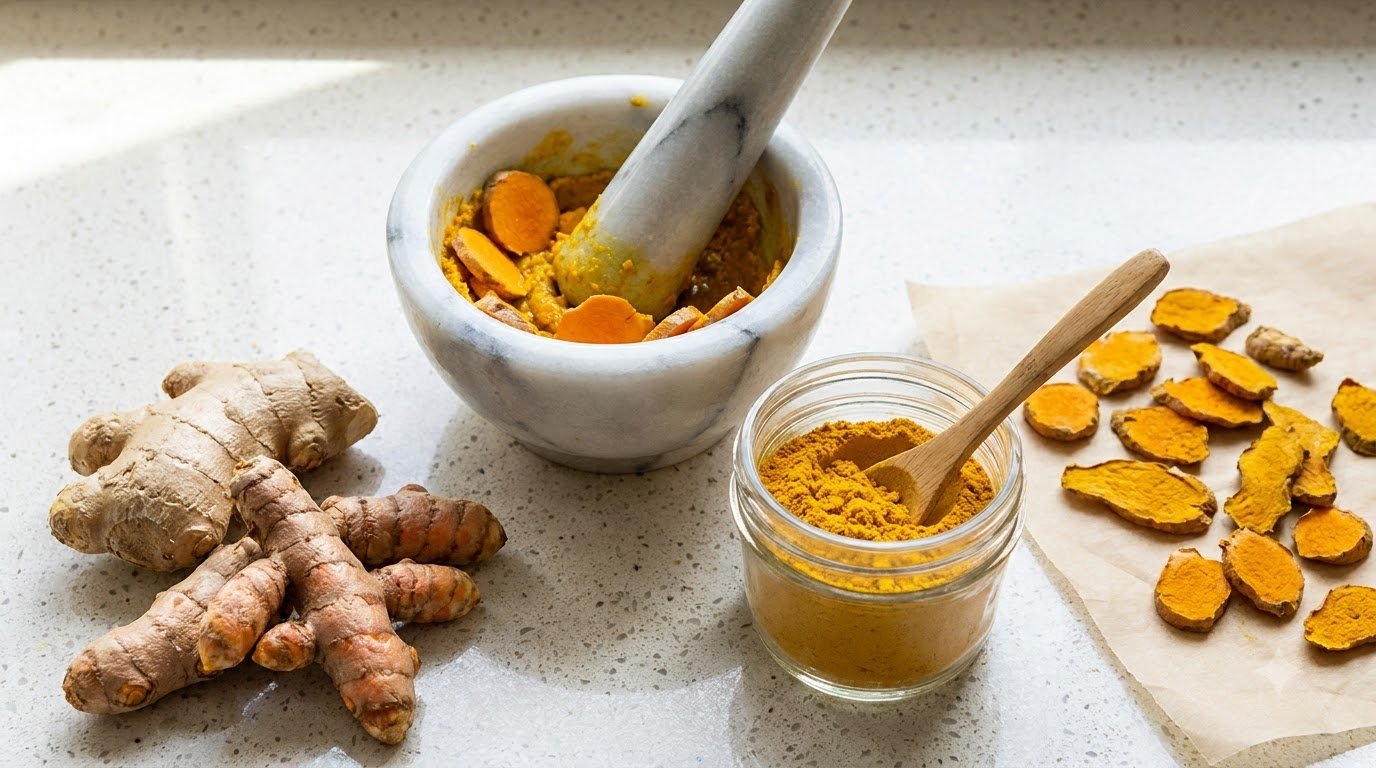
Buying farm-direct also means you can specify the exact form you need — raw roots, dry fingers, slices, or 80–100 mesh powder — and request steam-sterilization for microbial-sensitive markets like the EU and Japan. Most reputable Indian exporters ship FOB Chennai or CIF to US ports (New York, Los Angeles, Savannah) with full documentation including phytosanitary certificates and APEDA registration.
How to Use Organic Haldi Every Day
You don't need to run a supplement brand to benefit from organic haldi. Here are the most popular ways Americans are incorporating it into daily routines:
- Golden milk (haldi doodh): Whisk ½ tsp organic haldi powder into warm milk with a pinch of black pepper, a little honey, and a dash of ghee. A nightly wellness ritual.
- Turmeric tea: Steep a few dry haldi slices in hot water with ginger and lemon. Caffeine-free and anti-inflammatory.
- Smoothies: Add ¼ tsp organic haldi powder to a morning smoothie — pairs well with pineapple, mango, and ginger.
- Cooking: Use organic haldi in curries, soups, rice dishes, roasted vegetables, and even scrambled eggs. A little goes a long way.
- Topical paste: Mix haldi powder with yogurt or honey for a traditional face mask — but patch-test first, as it can stain skin.
Storing Organic Haldi the Right Way
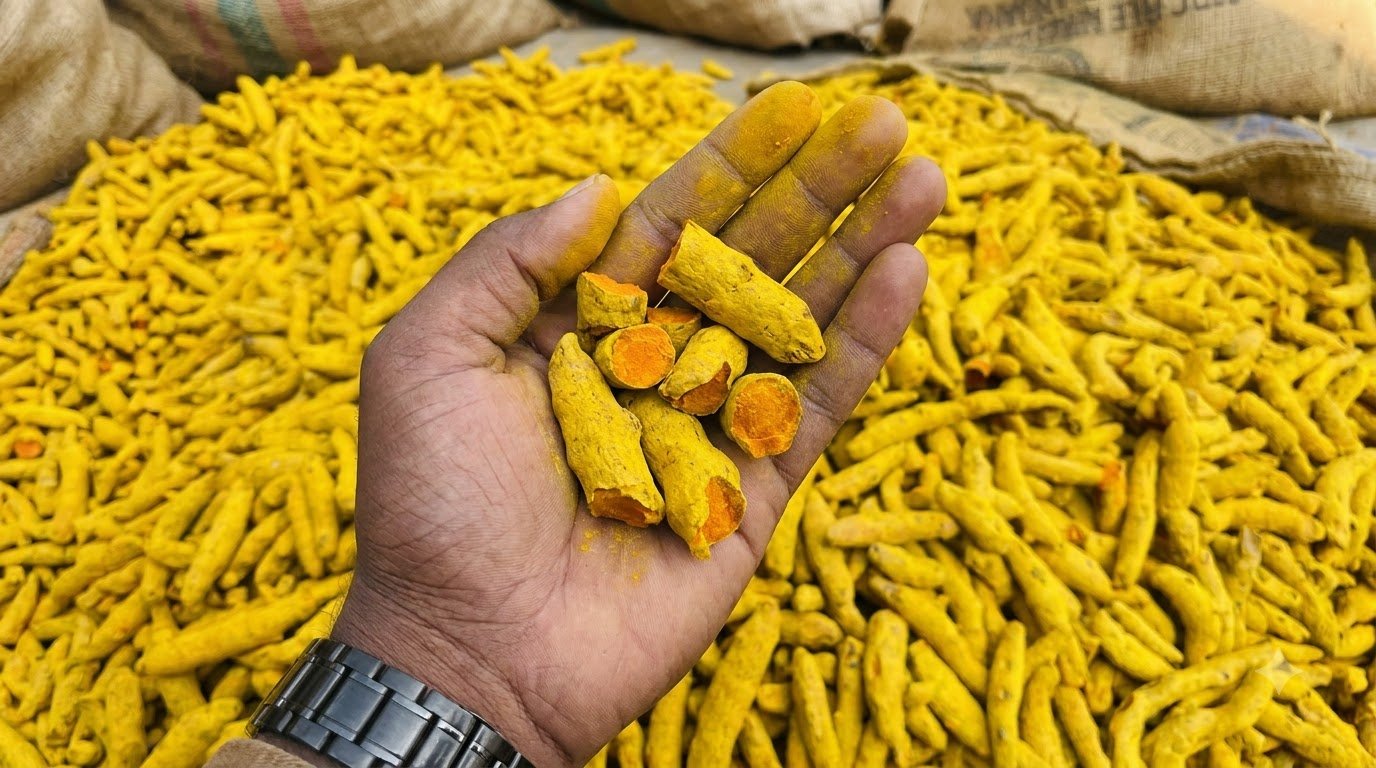
Organic haldi is a robust spice, but it rewards careful storage. Keep dry haldi powder in an airtight glass jar, away from sunlight and heat. A cool pantry is better than a spice rack above the stove. Stored correctly, dry organic haldi retains its curcumin content for up to 24 months. Fresh haldi roots, however, are perishable — keep them refrigerated and use within two weeks.
Frequently Asked Questions
What is organic haldi?
Organic haldi is turmeric (Curcuma longa) grown without synthetic pesticides, fertilizers, or chemicals, and certified under standards like USDA Organic, EU Organic, or India's NPOP. The word "haldi" is the Hindi name for turmeric, widely used across India. Organic haldi retains higher levels of curcumin because it is cultivated in living, chemical-free soil and cured traditionally.
What is the difference between organic haldi and regular turmeric?
Organic haldi is grown without synthetic chemicals and is third-party certified, while regular turmeric may use pesticides and chemical fertilizers. Organic haldi typically tests free of pesticide residues, is grown in healthier soil that can yield higher curcumin, and comes with traceability to the farm.
How much curcumin should organic haldi contain?
Quality organic haldi contains between 3% and 12% curcumin by weight, measured by HPLC. Standard culinary turmeric is 3–5%. Premium organic haldi for supplements ranges from 5% to 7%. Pharma-grade can reach 9–12%. Always ask the supplier for a Certificate of Analysis (COA).
Is organic haldi safe to consume daily?
Yes, organic haldi is generally safe for daily consumption in culinary amounts (1–3 grams of powder per day). People on blood thinners, or with gallbladder issues or upcoming surgery, should consult a healthcare provider before taking high-dose curcumin supplements.
Where can I buy authentic organic haldi in the USA?
Authentic organic haldi is available from certified organic spice brands, health food stores, and direct-from-farm exporters. For bulk or wholesale, buying farm-direct from India with USDA Organic certification, a valid COA, and full traceability offers the best quality and value.
How should I store organic haldi powder?
Store organic haldi powder in an airtight glass container, away from direct sunlight, heat, and moisture. A cool, dark pantry is ideal. Properly stored, organic haldi powder retains its curcumin content and aroma for up to 24 months. Avoid refrigerating powder as moisture condensation can cause clumping.
Final Thoughts
Organic haldi is far more than a trendy golden latte ingredient. It is a four-thousand-year-old superfood whose curcumin content is now validated by modern science, and whose organic certification gives today's health-conscious American buyers the confidence they need. Whether you are a home cook stirring it into a curry or a supplement brand sourcing containers at a time, the rules are the same: insist on certification, demand a COA, know your curcumin percentage, and buy from someone who can name the farm.
Done right, organic haldi is one of the highest-value, most impactful botanicals you can bring into your kitchen or your product line — a small golden root with an outsized claim on human health.