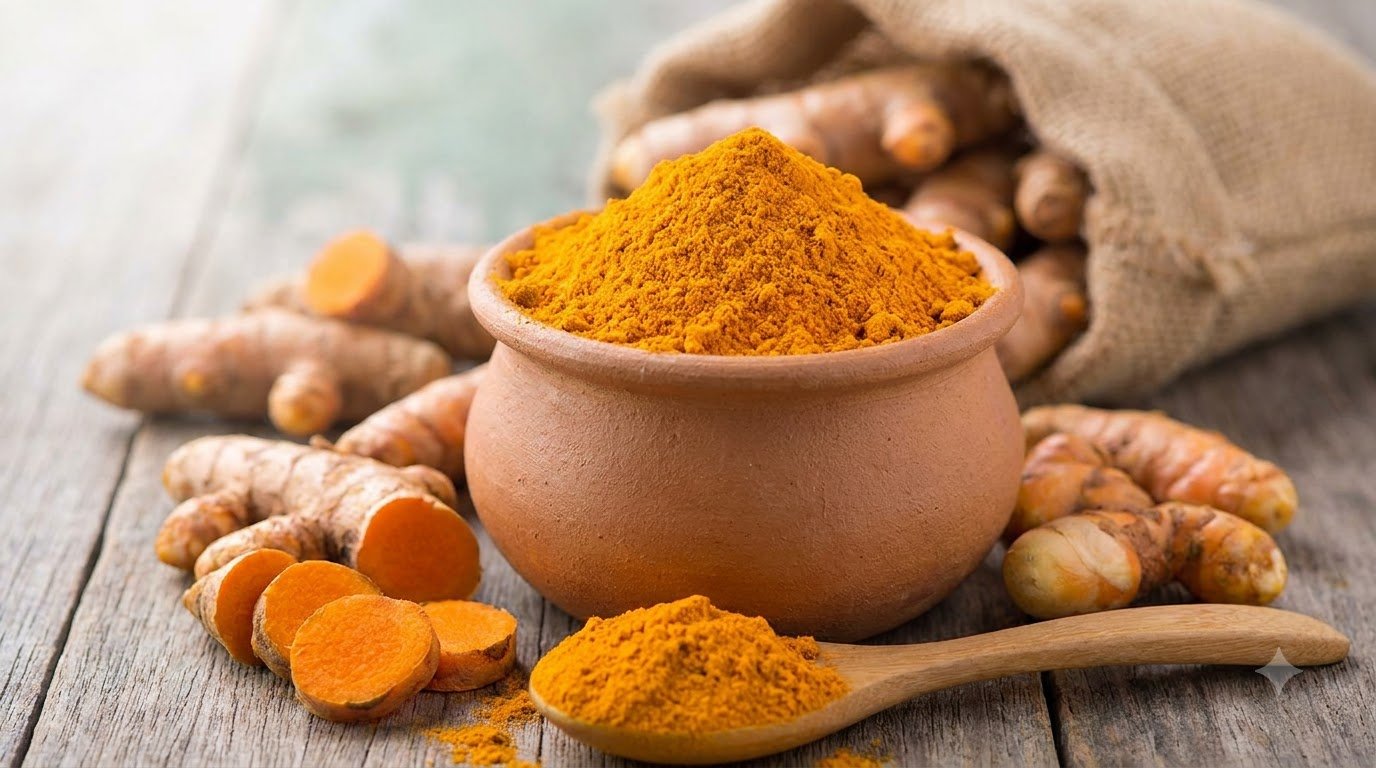
Certified organic turmeric powder has moved well past niche health-food shelves. Supplement makers, natural grocers, private-label spice brands, and home cooks across the United States are all asking the same question before they buy: is this actually certified, or is it just called "organic" on the label? The word certified is doing real work in that phrase — it means an independent inspector, not the seller, has confirmed that the turmeric was grown, dried, and milled according to a defined organic standard.
This guide breaks down what certified organic turmeric powder really is, which certifications carry weight in the US market, how curcumin content gets verified, and what a US importer or brand should check before placing a bulk order with a supplier in India.
What Is Certified Organic Turmeric Powder?
Certified organic turmeric powder is dried, ground Curcuma longa root grown without synthetic pesticides, synthetic fertilizers, or genetically modified inputs, on land that has completed the required transition period, and verified through on-site inspection by an accredited certification body. That last part is what separates "certified organic" from turmeric powder that's simply marketed as organic or natural without any third-party check — a distinction that matters a great deal once a shipment reaches US customs.
In practice, a genuine certification covers the whole chain, not just the field: a documented Organic System Plan, a farm input register showing exactly what was applied and when, batch-level traceability from harvest through milling, and an annual re-inspection to keep the certificate active. Every export shipment should also travel with its own transaction certificate tied to that specific lot.
A bag of turmeric powder is only as organic as the paperwork behind it. Certification exists precisely because color and aroma can't prove how a crop was grown.
USDA, NPOP, and Why the Difference Matters for US Buyers
Three certification frameworks come up constantly when sourcing certified organic turmeric powder: the USDA National Organic Program (NOP), which governs the "USDA Organic" seal in the United States; India's National Programme for Organic Production (NPOP), administered by APEDA, which governs organic farming inside India; and EU Organic (Regulation 2018/848), relevant if the same supplier also ships to Europe.
Here's the detail a lot of overviews get wrong or leave out of date: NPOP certification on its own does not qualify turmeric powder for the USDA Organic seal. The USDA ended its organic recognition arrangement with India in 2021 after determining that closer oversight was needed, and that arrangement has not been reinstated. In practical terms, this means certified organic turmeric powder destined for the US market needs certification directly from a USDA-accredited certifying body operating in India — organizations such as Control Union, OneCert International, Ecocert, or SGS India, among others — rather than an NPOP certificate by itself. Established exporters typically hold both NPOP (for the domestic and EU-linked trade) and direct USDA NOP accreditation (for US-bound shipments), and should be able to produce both on request.
There's a second layer worth knowing about: every organic shipment entering the US, including certified organic turmeric powder from India, must be linked to an electronic NOP Import Certificate recorded in USDA's Organic Integrity Database. That certificate gives US Customs and Border Protection a traceable, shipment-level record tying the paperwork to the actual container. A supplier who can't explain this requirement, or who insists NPOP is "the same as USDA Organic," is a warning sign worth taking seriously.
Curcumin Content in Certified Organic Turmeric Powder
Certification confirms how the turmeric was grown; it doesn't, by itself, confirm potency. That's where curcumin testing comes in. Curcumin is the natural compound responsible for turmeric's color and most of its researched properties, and its concentration is measured through HPLC (high-performance liquid chromatography) at an independent lab, never by eye. A Certificate of Analysis should report the exact curcuminoid percentage for every batch of certified organic turmeric powder you buy.
Typical Curcumin Ranges, by Grade (HPLC-Tested)
Kitchen & Retail Grade
Standard Export Grade
High-Curcumin Grade
Select Single-Farm Lots
Ranges are approximate and shown for orientation only. Always request the batch-specific Certificate of Analysis before buying certified organic turmeric powder in bulk.
Curcumin naturally varies with variety, soil, rainfall, and how carefully the root is dried — flash-dried or over-boiled turmeric loses potency, while slow, controlled curing preserves it. Certain growing regions in India, including parts of Telangana, Maharashtra, and the Northeast, are known among traders for naturally higher curcumin yields, though variety and post-harvest handling matter just as much as geography. When comparing certified organic turmeric powder from different suppliers, ask for the COA before you ask about anything else.
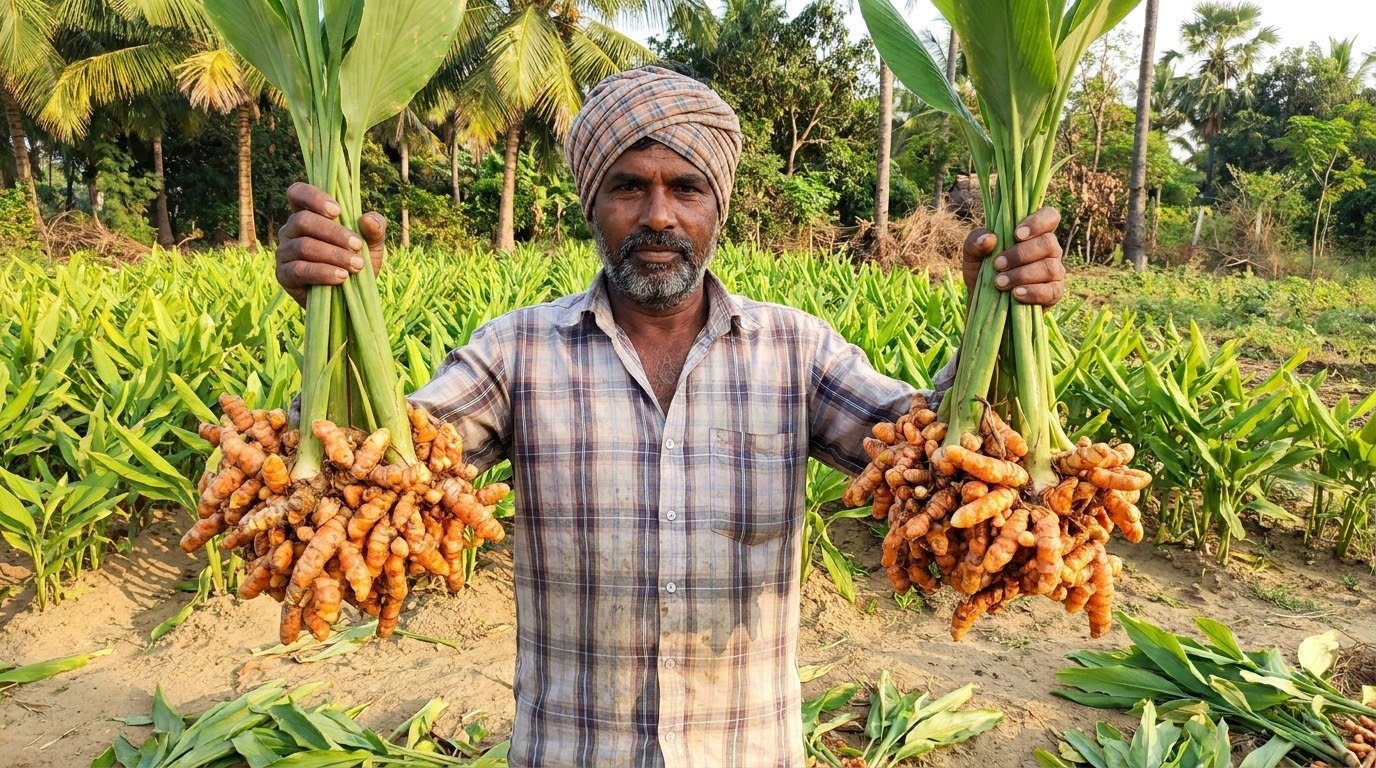
From Farm to Bag: How the Certification Is Verified
Certification isn't a one-time stamp — it's a process a supplier has to pass every season. Here's the general path a batch of certified organic turmeric powder follows before it can legally carry an organic claim into the United States:
Farm-to-Export Certification Pathway
Farm Registration & Organic System Plan
2–3 Year Chemical-Free Transition
On-Site Inspection by Accredited Certifier
Harvest, Drying & Milling Under Batch Codes
HPLC Lab Testing: Curcumin & Residues
Certificate & NOP Import Certificate Issued
Every one of those steps generates a document. A supplier who can produce farm registration records, inspection reports, lab COAs, and shipment-level certificates isn't being difficult when they hand you a folder of paperwork — that folder is as much a part of what you're buying as the powder itself.
Certified Organic vs. Conventional Turmeric Powder
For buyers weighing whether the extra step is worth it, here's what actually changes between certified organic turmeric powder and conventional turmeric powder:
Certified Organic vs. Conventional, Side by Side
Certified Organic Turmeric Powder
- Inspected on-site every certification cycle
- Grown on land past a 2–3 year chemical-free transition
- Pesticide-residue and curcumin tested per batch (COA)
- Traceable to a specific farm or grower group and batch
- Ships with a shipment-level transaction certificate
Conventional Turmeric Powder
- No independent on-site inspection required
- Synthetic fertilizers and pesticides generally allowed
- Lab testing left to the buyer's discretion, if done at all
- Typically traceable only to a region, not a farm
- No organic transaction certificate accompanies the shipment
Health & Culinary Uses of Certified Organic Turmeric Powder
Most of turmeric's reputation traces back to curcumin, which has been studied extensively for its antioxidant activity and its role in supporting a normal inflammatory response. Curcumin also absorbs poorly on its own — pairing certified organic turmeric powder with a pinch of black pepper (piperine) and a little fat can meaningfully improve how much of it the body actually takes up.
In the kitchen, certified organic turmeric powder shows up far beyond curry. Popular everyday uses among US households include:
- Golden milk: Whisk ½ teaspoon into warm milk with a pinch of black pepper and a little honey — a common evening wind-down ritual.
- Turmeric tea: Steep with fresh ginger and lemon for a caffeine-free warm drink.
- Smoothies: A small pinch blends well with pineapple, mango, or citrus.
- Everyday cooking: Rice, roasted vegetables, lentils, soups, and scrambled eggs all take well to a light dusting.
How to Verify a Supplier's Organic Certification Before You Buy
With certified organic turmeric powder now sold everywhere from independent grocers to major online marketplaces, the paperwork behind the label is where quality actually gets decided. Before committing to a supplier, work through this checklist:
- Ask for the current USDA NOP certificate, not just an NPOP certificate, with an expiration date that covers your order window.
- Confirm the certifying body is USDA-accredited by checking its name against USDA's public Organic Integrity Database.
- Request a batch-specific Certificate of Analysis showing curcumin percentage, moisture content, and screening for heavy metals and pesticide residue.
- Ask whether an NOP Import Certificate will be issued for your specific shipment before it leaves India.
- Request farm-level or grower-group traceability, not just a general regional origin claim.
- Ask how the supplier screens for adulteration, such as added starch or synthetic yellow dyes, which remain a known risk in the wider turmeric trade.
Packaging, Mesh Size & Export Specifications for the US Market
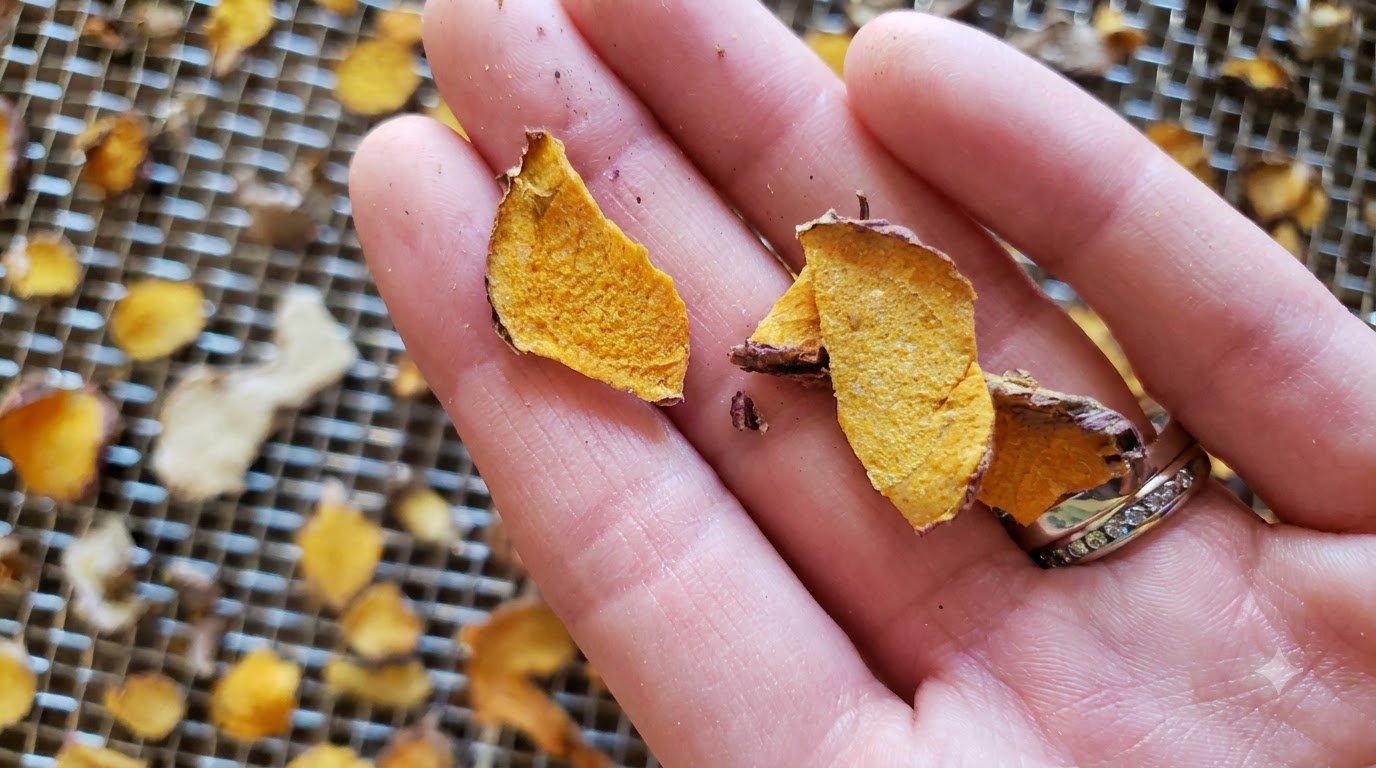
Certified organic turmeric powder is typically exported ground to 80–100 mesh for food and supplement use, with moisture held around 10–12% to protect shelf life in transit. Buyers can usually request coarser grinds, sliced dry turmeric, or whole dry fingers depending on how the product will be processed after arrival.
Packaging generally follows one of two paths: multi-wall craft paper bags with a food-grade poly liner for full container loads, or vacuum-sealed pouches for smaller trial orders and retail-ready quantities. Every shipment should travel with a documentation set that includes the organic certificate, a batch-specific COA, a phytosanitary certificate, the NOP Import Certificate, a commercial invoice, and a packing list — the same documents US customs brokers will ask for on arrival.
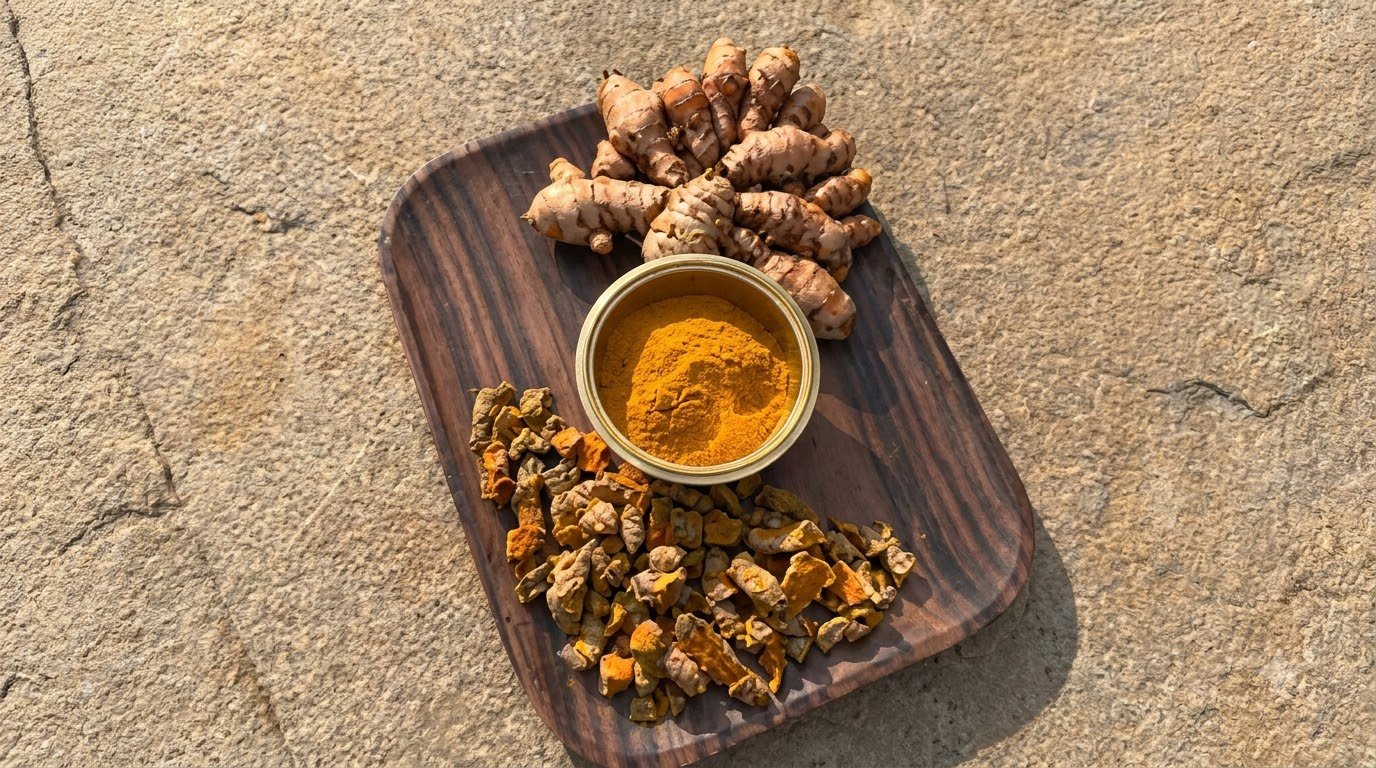
Storing Certified Organic Turmeric Powder
Once it arrives, certified organic turmeric powder keeps best in a sealed, airtight glass or food-grade container, away from direct light, heat, and moisture. A cool, dark pantry works better than a shelf above the stove. Stored this way, it generally holds its color, aroma, and curcumin content for up to two years. Refrigeration is not recommended for the dry powder, since condensation can cause clumping.
Frequently Asked Questions
What makes turmeric powder "certified organic"?
Turmeric powder can only be called certified organic when it has been grown, harvested, and processed according to a recognized organic standard and inspected by an accredited third-party certification body — not simply labeled organic by the seller.
Does India's NPOP certification automatically make turmeric powder USDA Organic?
No. The USDA ended its organic recognition arrangement with India in 2021, so an NPOP certificate alone does not qualify turmeric powder for the USDA Organic seal. US-bound shipments need direct certification from a USDA-accredited certifying body operating in India.
How much curcumin does certified organic turmeric powder contain?
Curcumin content typically ranges from about 2% to 8% by weight, depending on variety, growing region, and processing, and is confirmed through HPLC lab testing rather than color alone. Ask for the batch's Certificate of Analysis.
Can a US business import certified organic turmeric powder directly from a farm in India?
Yes. Many US supplement makers, spice brands, and food manufacturers buy directly from Indian growers or export-ready processing units, provided the exporter can supply valid USDA-accredited certification, a transaction certificate, and phytosanitary documentation.
Is certified organic turmeric powder safe to use every day?
In typical culinary amounts, most healthy adults can use it daily. People taking blood thinners, preparing for surgery, managing gallbladder conditions, or considering high-dose curcumin supplements should speak with a healthcare provider first.
How should certified organic turmeric powder be stored?
Keep it in a sealed, airtight container away from direct light, heat, and moisture. Stored this way in a cool pantry, it generally holds its color, aroma, and curcumin content well for up to two years.
Final Thoughts
Certified organic turmeric powder isn't defined by the word "organic" printed on a bag — it's defined by an audit trail: a certified farm, a documented transition period, an accredited inspector, a lab-tested curcumin percentage, and a transaction certificate that ties a specific shipment to a specific field. Whether you're a home cook or a supplement brand placing container orders, the sourcing rules are the same: confirm direct USDA-accredited certification (not NPOP alone), ask for the COA, and buy from a supplier who can produce the paperwork before you ask twice.