
Open almost any American pantry today and there's a good chance a jar of golden powder sits somewhere between the paprika and the cumin. That's organic ground turmeric — dried turmeric root that has been cleaned, cured, and milled down to a fine, even powder without a trace of synthetic pesticide or chemical fertilizer along the way. It's the same plant, Curcuma longa, that Indian households have ground by hand for generations, now produced at scale for kitchens, wellness brands, and supplement makers across the United States.
What separates good organic ground turmeric from an ordinary jar off a supermarket shelf isn't just the word "organic" on the label. It comes down to how the root is dried, how finely and evenly it's milled, and how carefully the finished powder is tested before it ships. This guide walks through exactly that: how organic ground turmeric is made, what mesh size and curcumin content actually mean, how to spot a genuine batch, and how US buyers source it direct from Indian mills.
What Is Organic Ground Turmeric?
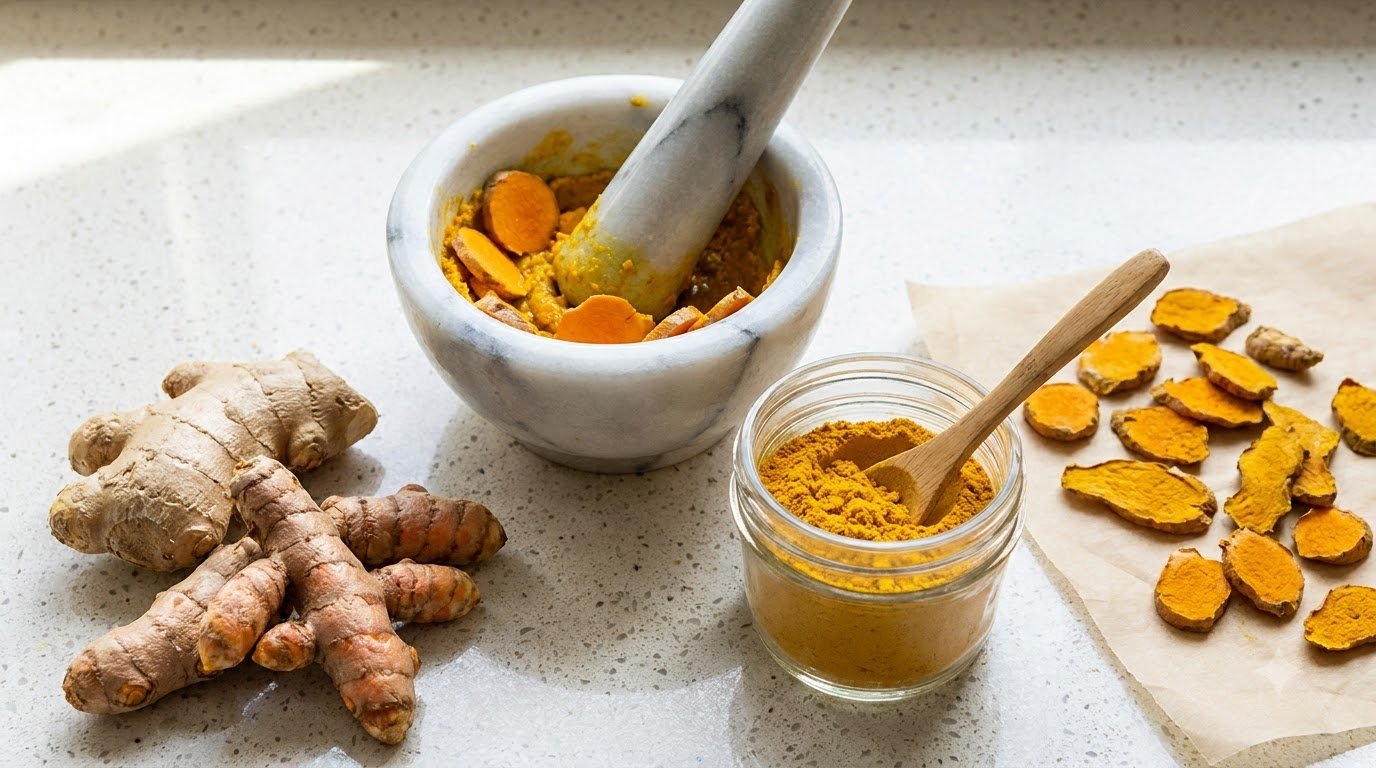
Organic ground turmeric starts life as a knobby, orange-fleshed rhizome, grown for at least three years without synthetic pesticides, chemical fertilizers, or genetically modified inputs. Once the rhizomes are boiled, dried, and milled into a fine powder, the result is what shows up on ingredient labels as organic ground turmeric — as opposed to turmeric fingers, slices, or fresh root, which are the same plant sold in a coarser, unmilled form.
The word "ground" matters more than it might seem. Whole dried turmeric fingers can sit in storage for a long time with their curcumin locked inside a tough outer layer; milling exposes that curcumin, along with the root's essential oils, so freshness and fineness both shape flavor and color. A genuine organic ground turmeric supplier holds current certification — USDA Organic for the US market, or an equivalent like NPOP or EU Organic — and can produce a transaction certificate for every shipment, not just an annual paper on file.
Organic ground turmeric isn't defined by the word on the bag. It's defined by chemical-free soil, careful drying, controlled milling, and a lab result that backs up every claim.
How Organic Ground Turmeric Is Made
Turning a fresh rhizome into shelf-stable organic ground turmeric is a short but exacting process. Rush any stage and the powder loses color, aroma, or curcumin; skip the organic controls and it loses its certification. Here's the typical path from field to jar:
From Rhizome to Jar: 5 Steps to Organic Ground Turmeric
Hand-Harvested
Mature rhizomes dug by hand and cleaned of soil
Boiled & Cured
Briefly steamed to even out color and stop sprouting
Sun-Dried
Spread on raised beds for 1–2 weeks until brittle
Milled
Ground in small, temperature-controlled batches
Sieved & Graded
Passed through mesh sieves and lab-tested
Every stage is logged, so a batch of organic ground turmeric can be traced back to the week it was harvested.
Reputable mills track every one of these steps by batch, which is exactly the kind of traceability worth asking about before you buy organic ground turmeric in any real volume.
Understanding Mesh Size and Fineness Grades
Milling is where "ground" earns its name in organic ground turmeric, and not all grinds are equal. Mills sort the finished powder by mesh size — a measure of how many openings per inch a sieve has, and therefore how fine the powder passing through it will be. A coarser mesh keeps more texture and holds up in slow-cooked dishes; a finer mesh dissolves almost instantly, which is why it's preferred for lattes, smoothies, and supplement blends.
Organic Ground Turmeric: Mesh & Fineness Spectrum
Finer organic ground turmeric dissolves faster and blends smoother; coarser grinds hold up better in long, slow cooking.
For most US kitchens and spice blenders, 80–100 mesh organic ground turmeric is the sweet spot — fine enough to dissolve cleanly, coarse enough to resist clumping in humid storage.
Quality Metrics That Matter
Mesh size describes texture, but it says nothing about purity or strength. Before any organic ground turmeric leaves a certified mill, a handful of lab numbers tell the real story of quality — and every one of them should appear on the Certificate of Analysis (COA) that travels with a shipment.
Six Numbers a Genuine COA Should Show
Maximum moisture content
Total ash (mineral content)
Typical curcumin by HPLC
Standard mesh fineness
Shelf life, sealed & dry
Batches lab-tested pre-export
Typical specifications for export-grade organic ground turmeric — always confirm the actual figures against the batch COA.
Ask for these six numbers before buying in bulk. A supplier that can't produce a current COA for organic ground turmeric usually can't back up the word "organic" either.
How to Identify Authentic, High-Quality Organic Ground Turmeric
With organic ground turmeric now sold everywhere from farmers markets to Amazon, quality varies enormously. Here's a practical checklist for US buyers, whether you're picking up a single jar or sourcing a container:
- Confirm current certification. USDA Organic is the baseline for the US market; NPOP and EU Organic are recognized equivalents. A logo alone isn't proof — ask to see the actual certificate.
- Request a batch-specific COA. It should list curcumin percentage, moisture, ash content, and results for pesticide residue and heavy metals — not a generic spec sheet reused for every shipment.
- Judge it by color and texture. Authentic organic ground turmeric is a matte, earthy gold — never neon-bright — and feels like fine flour rather than grit.
- Try a simple water test. Stir a spoonful into a glass of room-temperature water. Pure powder settles slowly and colors the water an even gold; clouding unevenly, streaking, or a chalky film are red flags.
- Match the mesh size to your use. A serious supplier can mill to a specific mesh rather than selling one generic grind for every application.
- Ask who grew it. A supplier that can name the growing season and mill — not just "India" — is usually the one telling the truth about everything else on the label.
Organic Ground Turmeric vs. Conventional Ground Turmeric
Side by side, organic and conventional ground turmeric can look identical in a spice jar. The difference is in what happened before it was ground — and what a lab test can confirm afterward.
Organic Ground Turmeric vs. Conventional Ground Turmeric
Organic Ground Turmeric
- Grown without synthetic pesticides or chemical fertilizers
- Backed by current, per-shipment organic certification
- No added anti-caking agents, starch, or synthetic dyes
- Curcumin content verified by HPLC on every export batch
- Traceable from harvest week to finished mesh grade
Conventional Ground Turmeric
- May carry synthetic pesticide or fertilizer residue
- Certification, when present, is rarely batch-specific
- Sometimes bulked with starch, chalk powder, or dyes
- Curcumin content is often estimated, not lab-verified
- Traceability typically stops at the wholesaler
Everyday Ways to Use Organic Ground Turmeric
You don't need to run a spice brand to put organic ground turmeric to good use. Here's how it shows up most often in American kitchens:
- Golden milk: Whisk ½ tsp organic ground turmeric into warm milk with a pinch of black pepper, a little honey, and a dash of ghee.
- Turmeric tea: Stir ¼ tsp into hot water with fresh ginger and a squeeze of lemon. Caffeine-free and easy to make ahead.
- Smoothies: Blend a small pinch into pineapple, mango, or banana smoothies for color and warmth without a strong bite.
- Everyday cooking: Curries, roasted vegetables, rice, lentil soups, and even scrambled eggs all take well to organic ground turmeric — a little goes a long way.
- Spice blends: Its fine, even grind makes it easy to fold into homemade curry powders and masalas without leaving gritty streaks.
How US Buyers Source Bulk Organic Ground Turmeric from India
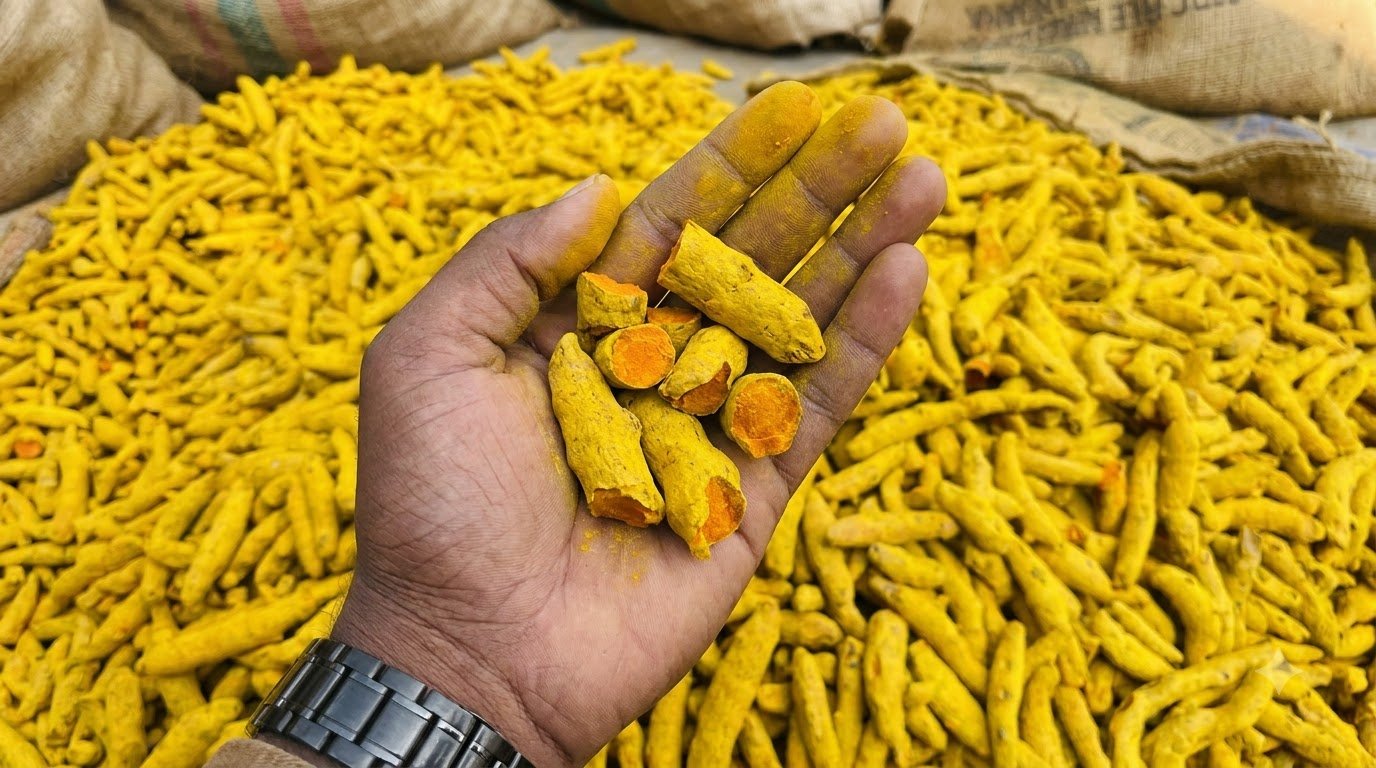
Once a US brand or importer settles on the mesh size, curcumin range, and packaging they need, most buy their organic ground turmeric direct from an Indian mill rather than through a domestic distributor. Direct sourcing means the powder can be milled to a specific mesh, steam-sterilized where a market requires it, and shipped with its own transaction certificate, phytosanitary certificate, and export documentation — rather than a single certificate covering an entire year's production.
Packaging is customized too: food-grade kraft valve bags for retail-ready product, vacuum-sealed pouches to protect aroma during ocean transit, or bulk fiber drums for manufacturers blending their own formulas. Most exporters ship organic ground turmeric FOB from an Indian port or CIF directly to US ports of entry, with lead times built around the milling and lab-testing schedule rather than a warehouse simply pulling from existing stock.
How to Store Organic Ground Turmeric
Organic ground turmeric is forgiving to store but not indestructible. Keep it in an airtight glass or opaque container, out of direct sunlight and away from stove-top heat, which accelerates the loss of color and aroma. A cool, dark pantry shelf works better than a rack mounted above the range. Stored this way, organic ground turmeric holds its curcumin content, color, and aroma for about 24 months. Skip the refrigerator — temperature swings invite condensation, and a fine powder clumps and molds far more easily than whole spice.
Frequently Asked Questions
What is organic ground turmeric?
Organic ground turmeric is dried turmeric root (Curcuma longa) milled into a fine powder without synthetic pesticides, chemical fertilizers, or artificial additives, and verified by an accredited organic certifier such as USDA Organic, NPOP, or EU Organic. It keeps the root's natural curcumin content, color, and aroma intact.
Is organic ground turmeric the same as turmeric powder?
They describe the same finished product — dried turmeric milled into powder — but organic ground turmeric specifies both the certification and the form. Not all turmeric powder is organic, and not all organic turmeric is sold pre-ground; some is sold as whole dried fingers or slices.
What mesh size is best for organic ground turmeric?
Most culinary and retail organic ground turmeric is milled to 80–100 mesh, which dissolves cleanly in liquids and blends evenly into spice mixes. Supplement and extract manufacturers sometimes request 120 mesh or finer, while coarser 60 mesh grinds suit slow-cooked dishes.
How can I tell if organic ground turmeric is pure and unadulterated?
Ask for a Certificate of Analysis showing curcumin percentage, moisture, ash content, and residue and heavy-metal testing. Genuine organic ground turmeric dissolves cleanly in water without a chalky residue, smells earthy and slightly peppery, and stains a deep, consistent gold rather than an artificially bright yellow.
Is organic ground turmeric safe to use every day?
Yes, organic ground turmeric is generally safe in typical culinary amounts of about 1 to 3 grams per day. People taking blood thinners, managing gallbladder conditions, or preparing for surgery should check with a healthcare provider before taking concentrated curcumin supplements.
How should I store organic ground turmeric for the longest shelf life?
Keep organic ground turmeric in an airtight, opaque or glass container away from heat, light, and moisture. Stored this way it holds its color, aroma, and curcumin content for roughly 24 months. Skip the refrigerator, since condensation can cause the fine powder to clump.
Final Thoughts
Organic ground turmeric is a small thing to add to a grocery list, but getting it right takes real care at every stage — clean soil, careful drying, controlled milling, and a lab report that backs up the label. Whether you're stirring a spoonful into golden milk at home or specifying mesh size and curcumin range for a private-label supplement line, the same short list applies: confirm the certification, ask for the COA, know the mesh grade you actually need, and buy from a mill that can trace the powder back to the season it was harvested.
Done well, organic ground turmeric is one of the simplest, most versatile ingredients you can keep on a shelf — a fine golden powder with a very long paper trail behind it.