When a jar of turmeric carries the USDA Organic seal, it is making a specific, legally enforceable claim, not just a marketing choice. In the United States, only turmeric grown, harvested, and processed under the rules of the USDA's National Organic Program can carry that seal, and every step in the chain — from a field in India to a warehouse shelf in the US — has to be documented and inspected to prove it.
This guide breaks down exactly what USDA certified organic turmeric means, how the certification process works from farm to export, how curcumin quality fits alongside it, and what US buyers — whether a supplement brand, a specialty grocer, or a home cook — should ask for before trusting the label.
What Does USDA Certified Organic Actually Mean for Turmeric?
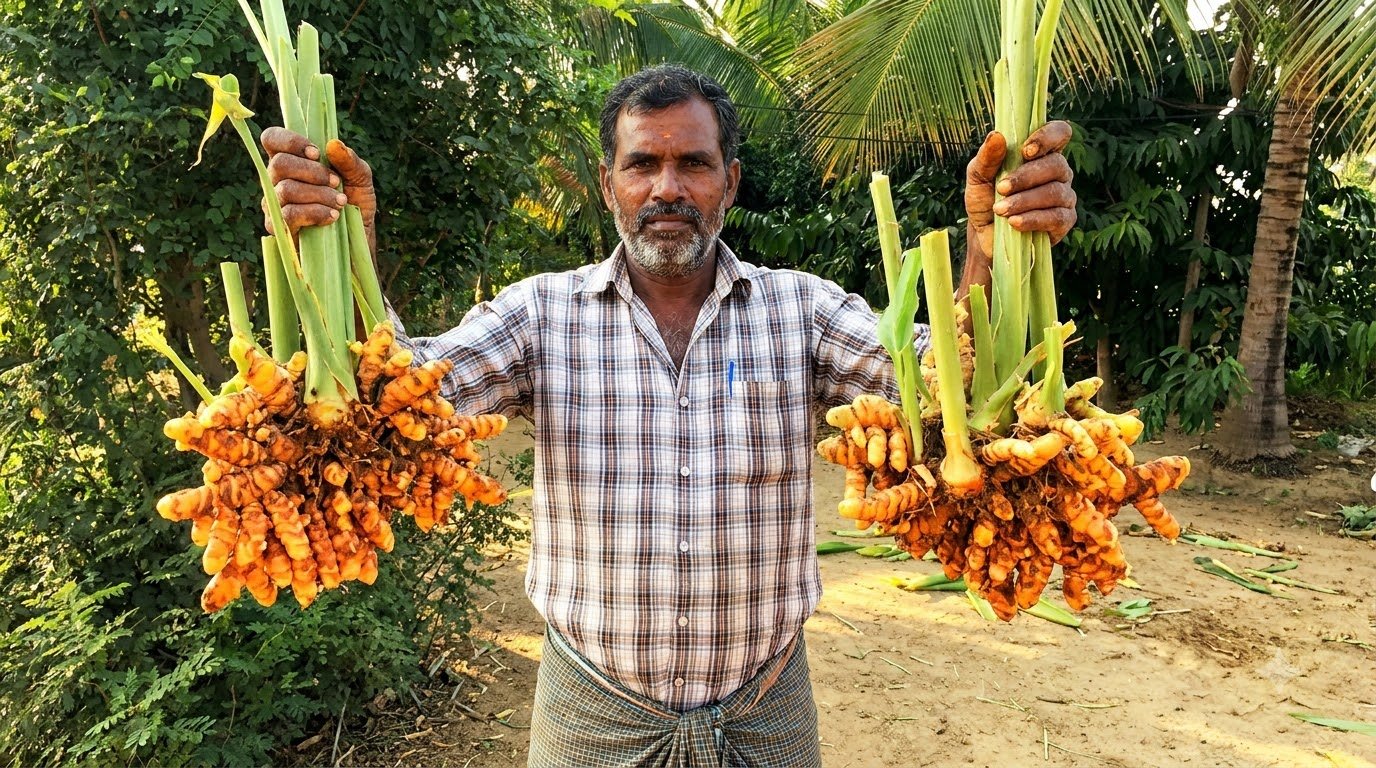
USDA certified organic turmeric is turmeric (Curcuma longa) that has been grown and processed according to the standards set out in the USDA's National Organic Program (NOP), and verified through inspection by a USDA-accredited certifying agent. The certification covers the entire chain — the field the turmeric grows in, the way it is dried and milled, and the facility that packs it for export — not just the raw root itself.
Under federal regulation, the word "organic" is a controlled term. A grower or exporter cannot legally print it on turmeric packaging bound for US shelves, or use the USDA Organic seal, without holding a current organic certificate tied to a specific certifying body. That is the difference between a marketing claim and a verified one.
A USDA Organic seal on turmeric is not describing a farming philosophy — it is citing a specific federal regulation, backed by an inspector's sign-off and a certificate number you can look up.
Inside the USDA National Organic Program Standards
The National Organic Program, administered by the USDA's Agricultural Marketing Service, sets the rulebook that every certified organic turmeric farm has to follow. For turmeric specifically, that means:
- No synthetic pesticides or herbicides applied to the crop at any stage.
- No synthetic fertilizers — soil fertility comes from compost, green manure, and crop rotation instead.
- No genetically modified planting material used to propagate the crop.
- No sewage-sludge-based soil amendments on certified fields.
- No ionizing irradiation during post-harvest drying or processing.
- A minimum three-year transition period on any field previously treated with prohibited substances before its harvest can be sold as organic.
Once a farm meets these standards, an accredited certifying agent — a private or state body approved by the USDA, not the USDA itself — carries out an on-site inspection before issuing a certificate. That certificate has to be renewed annually, with a fresh inspection each cycle.
How Turmeric Earns USDA Organic Certification
Certification is not a one-time paperwork exercise. It follows a defined sequence from soil to shipment:
How Turmeric Earns USDA Organic Certification
Three-Year Soil Transition
Fields are farmed without prohibited synthetic pesticides or fertilizers for a minimum of three years before the first organic harvest.
Organic System Plan & Enrollment
The farm enrolls with a USDA-accredited certifying agent and submits a plan detailing every input, practice, and record-keeping method.
On-Site Farm Inspection
A trained inspector visits the farm and processing facility to confirm actual practice matches the submitted plan.
Certificate & Import Documentation
An organic certificate is issued, and an NOP Import Certificate is generated for each export shipment bound for the US.
Annual Recertification
Inspections repeat every year to keep the organic certificate active and valid for future shipments.
What the USDA Organic Seal Verifies On Every Batch
The seal is shorthand for a longer list of things a certifying agent has already checked. Here is what stands behind it:
What USDA Organic Certification Verifies
No synthetic pesticide residue
No synthetic fertilizer use
No GMO planting material
Documented three-year transition
Certifying agent on record
Full farm-to-shipment traceability
USDA Certified Organic Turmeric vs. Conventional Turmeric
Side by side, the practical differences between certified and uncertified turmeric come down to oversight and paperwork:
USDA Certified Organic vs. Conventional Turmeric
| Factor | USDA Certified Organic | Conventional / Uncertified |
|---|---|---|
| Pesticide oversight | Verified pesticide-free, tested | Not independently verified |
| Soil standards | 3-year chemical-free transition | No standard requirement |
| Certifying body | Accredited third-party inspection | None |
| Import paperwork | NOP Import Certificate per shipment | Standard customs docs only |
| Label claim | Legally protected "organic" claim | Cannot legally claim "organic" |
| Traceability | Farm and batch level | Often blended, batch level only |
Curcumin Testing Alongside Organic Certification
Organic certification and curcumin content answer two different questions. Certification confirms how the turmeric was grown. Curcumin percentage — measured by HPLC (High-Performance Liquid Chromatography) at an independent lab — tells you its potency. The two should always be checked together, using a Certificate of Analysis alongside the organic certificate.
Typical Curcumin Ranges Found in USDA Organic Turmeric
Culinary Grade
Everyday cooking use
Supplement Grade
Standard for capsules
High-Curcumin Grade
Extract-focused sourcing
Curcumin percentage is confirmed by HPLC and reported on a Certificate of Analysis — always request one alongside the organic certificate.
How US Buyers Import USDA Certified Organic Turmeric from India
India supplies most of the world's turmeric, and a growing share of that supply now moves through USDA NOP-certified farms. For a US buyer — whether importing a container of raw dried turmeric or retail-ready powder — the paperwork trail typically includes:
- A current organic certificate from a USDA-accredited certifying agent operating in India.
- An NOP Import Certificate issued specifically for that shipment.
- A Certificate of Analysis covering curcumin percentage, pesticide residue, heavy metals, and microbial counts.
- A phytosanitary certificate from India's plant quarantine authority.
- FDA prior notice filed ahead of the shipment's arrival at a US port.
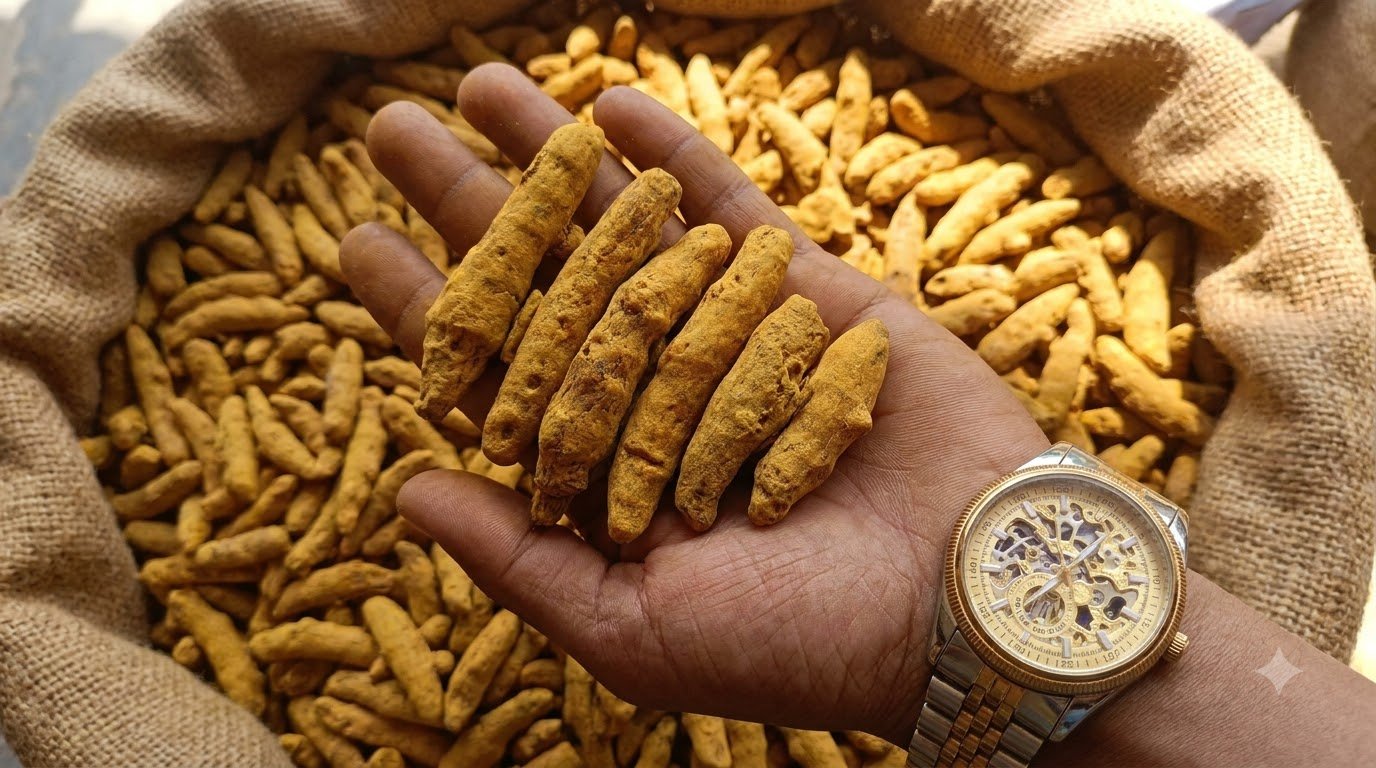
Reputable exporters can also supply steam-sterilized turmeric for buyers who need lower microbial counts, and can pack to a buyer's specified mesh size for powder or as whole dried fingers for further processing in the US.
A Buyer's Checklist: How to Verify Real USDA Organic Certification
- Look up the certifying agent and the operation on the USDA's Organic INTEGRITY database before you commit to a purchase.
- Ask for the current organic certificate and check the certificate number, scope, and expiration date.
- Request the NOP Import Certificate tied to your specific shipment, not just a general annual certificate.
- Ask for a Certificate of Analysis showing curcumin percentage, pesticide residue, and microbial testing.
- Confirm the certifying agent is accredited for both the country and the crop — not every certifier covers every region.
- Be cautious of sellers who show only a seal image with no certificate number or certifying agent named.
Everyday Ways to Use USDA Certified Organic Turmeric
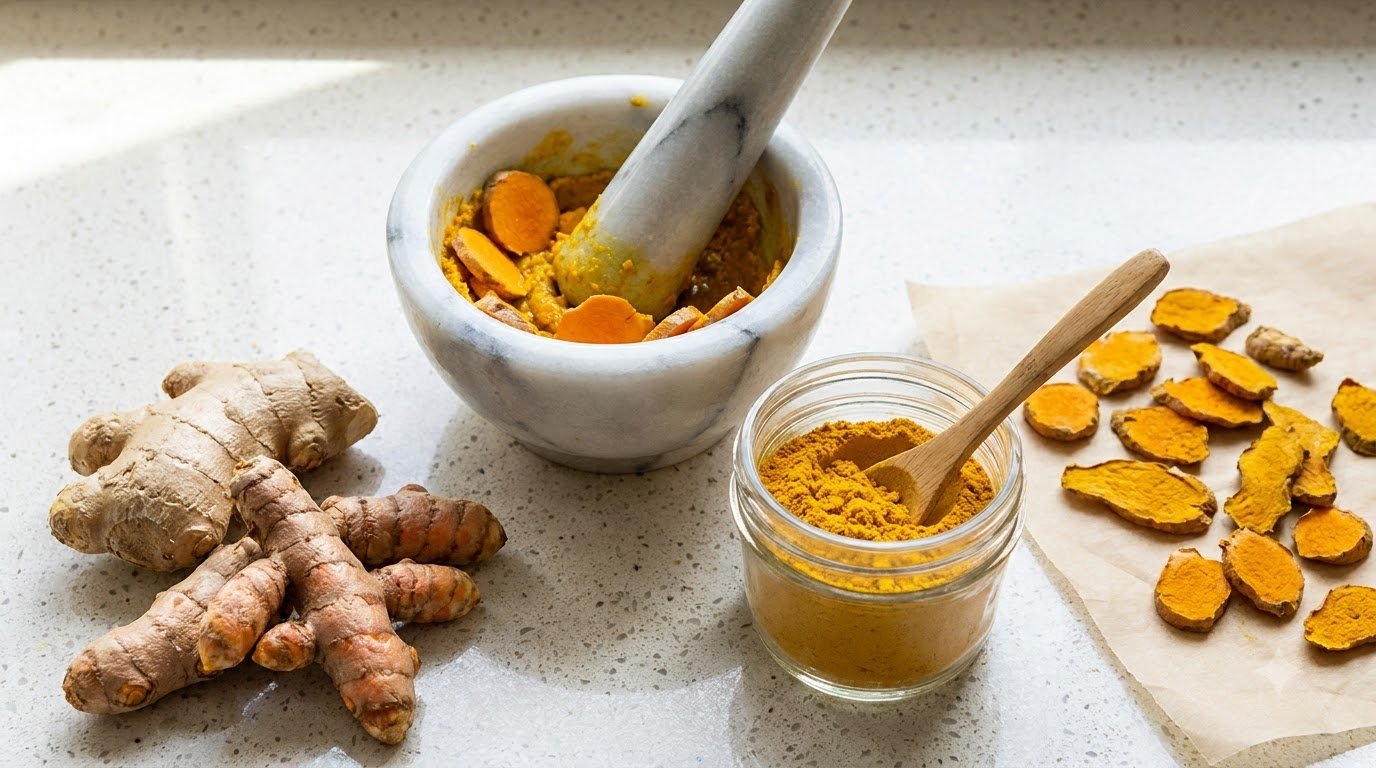
- Morning smoothie: stir a small spoon of organic turmeric powder into a fruit smoothie with a pinch of black pepper for better absorption.
- Golden milk: warm milk, organic turmeric, a pinch of black pepper, and a touch of honey — a simple nightly routine.
- Roasted vegetables: toss root vegetables with olive oil and organic turmeric before roasting.
- Soups and broths: whisk into broth-based soups for color, warmth, and flavor.
- Rice and grain dishes: add during cooking for a subtle, earthy flavor and golden color.
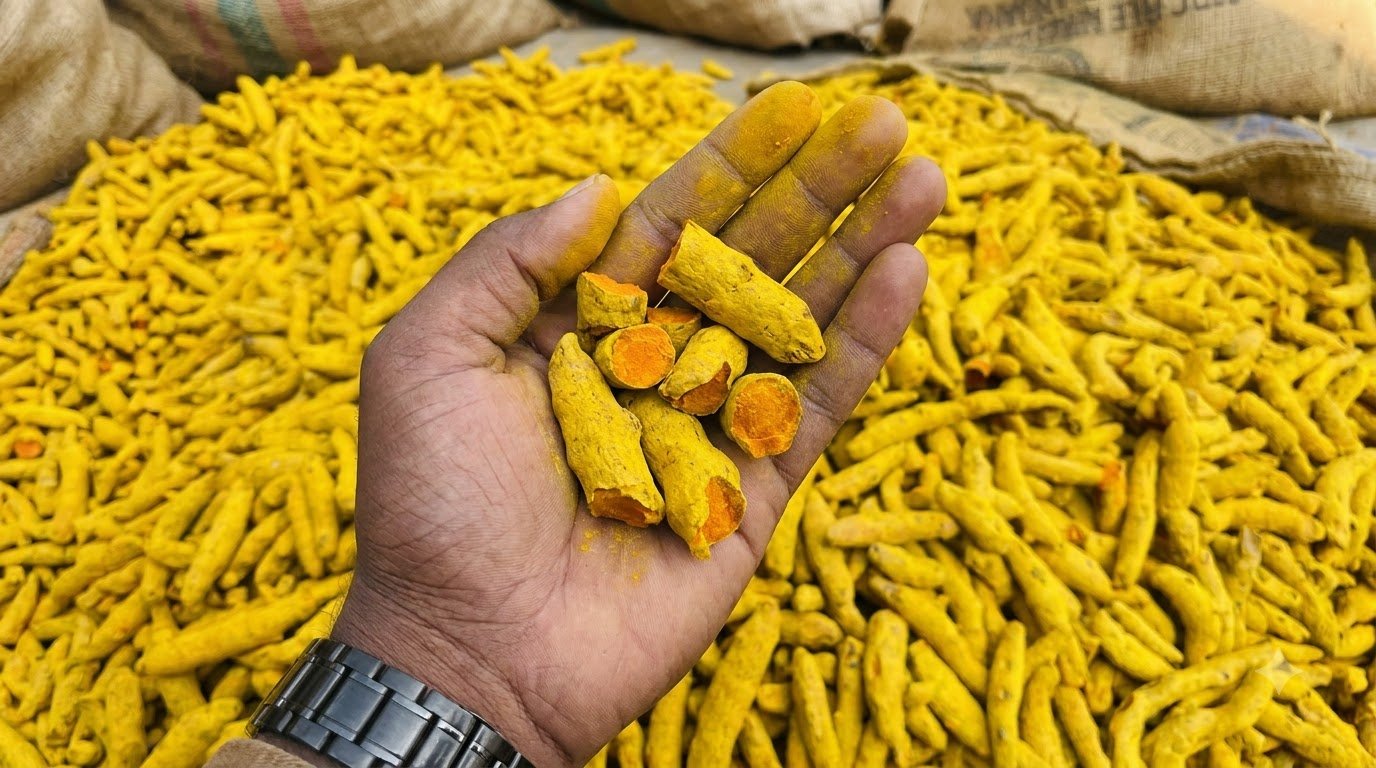
Storing USDA Certified Organic Turmeric Powder
Certification protects what happens before the jar reaches you — storage protects what happens after. Keep organic turmeric powder in a sealed glass or ceramic container, away from direct light and stove-top heat. Stored this way, it holds its color, aroma, and curcumin content well for up to two years. Whole dried turmeric fingers last even longer if kept cool and dry.
Frequently Asked Questions
What does "USDA Certified Organic" mean on a turmeric label?
It means the turmeric was grown, handled, and processed in compliance with the USDA National Organic Program (NOP), verified by a USDA-accredited certifying agent through on-site inspections. Fields must be free of prohibited synthetic pesticides, synthetic fertilizers, sewage sludge, and irradiation for a minimum three-year transition period before that harvest can be labeled organic.
Is USDA Certified Organic turmeric different from turmeric just labeled "organic"?
Yes. In the United States, the word organic is a legally restricted term on food labels. A turmeric product cannot use the word or the USDA Organic seal unless it has passed certification through a USDA-accredited agent. Turmeric labeled organic without a certifier name and certificate number does not carry that legal guarantee.
How can I verify a USDA organic turmeric certificate is real?
Search the certifying agent and the operation on the USDA's Organic INTEGRITY database, which lists every currently certified organic operation. A legitimate supplier should also provide a current organic certificate and, for imported turmeric, an NOP Import Certificate issued for that specific shipment.
What curcumin percentage should USDA certified organic turmeric have?
Curcumin content is separate from organic certification, since certification confirms how the turmeric was grown, not its potency. Culinary-grade turmeric typically tests between 3% and 5% curcumin by HPLC, while supplement-grade organic turmeric usually runs 5% or higher. Ask for a Certificate of Analysis alongside the organic certificate.
Can USDA certified organic turmeric be imported from India?
Yes. India supplies most of the world's turmeric, and Indian farms can hold USDA NOP certification through accredited certifying bodies operating in the country. Each export shipment should carry its own NOP Import Certificate matching the harvest and processing records.
Is USDA certified organic turmeric safe for daily use?
Yes, USDA certified organic turmeric is generally safe for typical culinary use of one to three grams of powder per day for most healthy adults. Anyone on blood-thinning medication, with gallbladder concerns, or with upcoming surgery should check with a healthcare provider before taking concentrated curcumin supplements.
Final Thoughts
USDA Certified Organic is not a label you can shortcut. It represents a documented chain — three years of verified soil practice, an accredited inspector's sign-off, and a shipment-specific import certificate — connecting a specific field in India to a jar on a US shelf. For buyers, the work is simple even if the certification process isn't: ask for the certificate, ask for the Certificate of Analysis, and verify both before you commit to a supplier.
Whether you are formulating a supplement, stocking a specialty grocery shelf, or simply want the real thing in your kitchen, USDA certified organic turmeric gives you a paper trail most spices never offer.