When a product carries the USDA organic seal, it has passed through one of the most demanding agricultural certification systems in the world. For turmeric, that seal is not a marketing flourish — it confirms that the root was grown, harvested, and processed according to the USDA's National Organic Program (NOP), verified in writing by an accredited certifying agent, and backed by a paper trail that traces every batch back to a specific farm. As American shoppers read labels more carefully and supplement brands compete harder on transparency, USDA organic turmeric powder has moved from a niche health-store item to a standard sourcing requirement for serious food and wellness companies.
This guide covers exactly what the USDA organic label requires of turmeric, how curcumin content is verified, what genuinely separates certified turmeric from the conventional bag sitting next to it on the shelf, and how US importers work directly with growers in India to bring USDA organic turmeric powder into the country at commercial scale.
What Is USDA Organic Turmeric Powder?
USDA organic turmeric powder is turmeric (Curcuma longa) that has been cultivated, harvested, dried, and milled in full compliance with the USDA's National Organic Program. That standard covers considerably more than "no pesticides." Under NOP rules, the land the turmeric is grown on must be free of prohibited synthetic substances for a minimum of three years before the first certified harvest. Growers cannot use synthetic fertilizers, synthetic herbicides, sewage-sludge-based soil amendments, or genetically engineered planting material anywhere in the process. Every input used on the crop — the compost that builds soil fertility, the neem-based deterrents applied for pest pressure, even the seed rhizomes planted at the start of the season — has to come from an approved materials list.
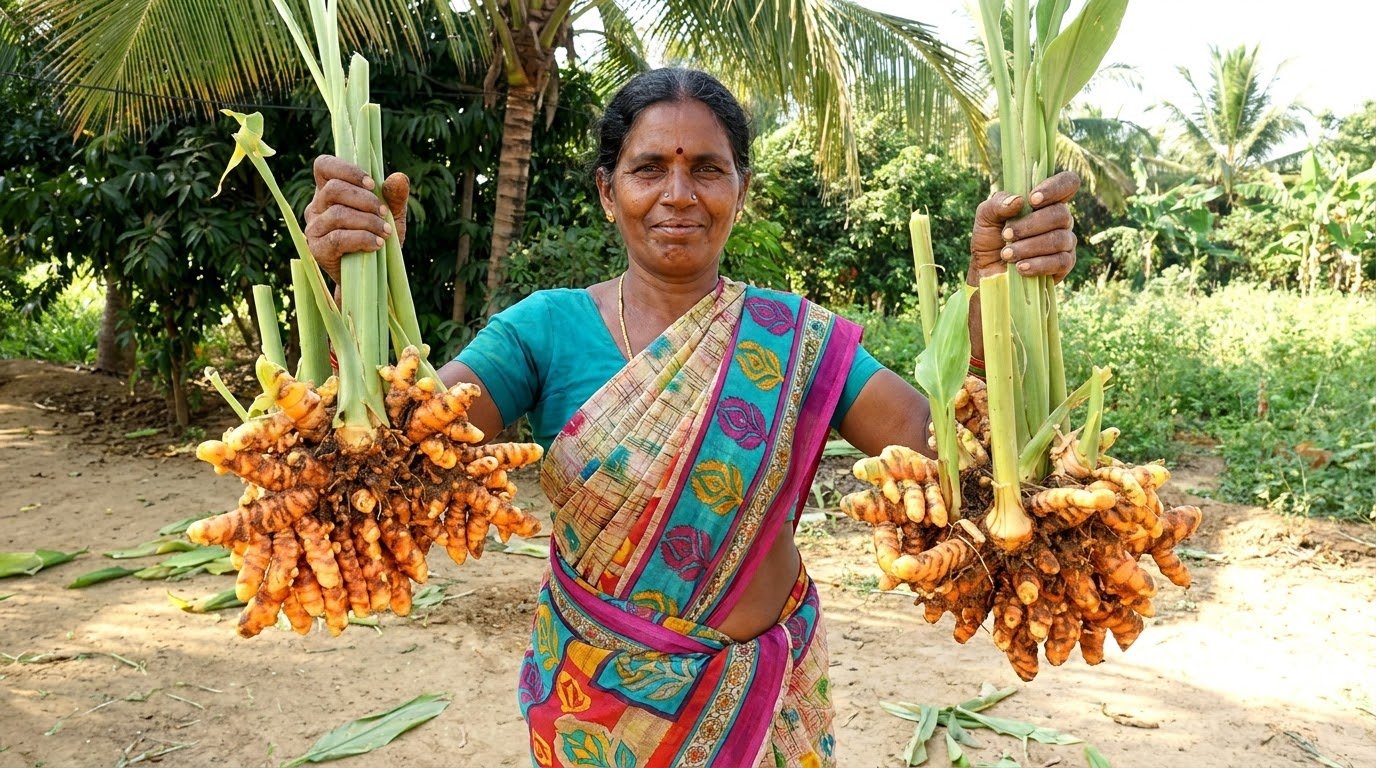
Because India grows the majority of the world's turmeric supply, most of the USDA organic turmeric powder sold in the United States begins on a family-run farm in central or southern India. A certifying agent inspects the field in person, and the finished product is exported with a complete compliance file: an organic certificate for the farm and processing unit, a transaction certificate specific to that shipment, and lab paperwork confirming the powder meets US import requirements.
USDA organic is not a claim a supplier can simply print on a bag — it is a regulated status earned through a documented three-year transition, verified annually, and proven shipment by shipment.
USDA NOP Certification Standards for Turmeric
Certification is not a one-time badge. It runs on an annual audit cycle, and an accredited certifying agent has to inspect the farm, review every input and harvest record, and increasingly, test the finished powder itself for pesticide residue. A handful of the specific requirements that apply directly to turmeric growers:
- Three-year land transition. No prohibited substance can be applied to the field for three full years before the first certified harvest.
- Buffer zones. Certified fields must be physically separated from neighboring conventional farms to prevent spray drift from compromising the crop.
- Approved seed source. Only organic or untreated conventional seed rhizomes are allowed — genetically engineered planting stock is prohibited outright.
- Full recordkeeping. Every input, harvest date, and handling step is logged and reviewed each year.
- Certified handling facilities. Drying yards, polishing units, and grinding mills that process organic turmeric must themselves be certified, so organic product is never co-mingled with conventional stock.
For US buyers, the practical takeaway is simple: a supplier's USDA organic certificate is only valid for the specific products and facilities listed on it, and it expires every year. Always ask for the current certificate — not last year's — and check that the "scope" printed on it actually covers what you are buying. Raw root, dried fingers, and ground powder are often listed as separate scopes on the same certificate.
The Path to USDA Organic Certification
Turmeric doesn't arrive at USDA organic status overnight. Here is the typical sequence a farm and its export partner move through before a shipment of USDA organic turmeric powder can legally carry the seal into the United States:
The Path to USDA Organic Certification
Soil Transition
3 years, zero prohibited inputs
Certified Cultivation
Approved inputs, audited records
Harvest & Drying
Certified handling facility only
HPLC Lab Testing
Curcumin % and residue screening
NOP Certification & Export
Transaction certificate per shipment
Certification renews annually, and a fresh transaction certificate is required for every export shipment — regardless of how long the relationship has been in place.
Most exporters work with the same certifying agent year after year, which speeds up the annual renewal, but a new transaction certificate is still required for every individual shipment.
Curcumin Content in USDA Organic Turmeric Powder
USDA organic status tells you how the turmeric was grown. On its own, it doesn't tell you how strong it is. That's where curcumin comes in — the compound responsible for turmeric's color, its slightly bitter edge, and most of the research interest behind it. Curcumin is quantified through HPLC (high-performance liquid chromatography) testing at an independent laboratory, and the result is printed on a Certificate of Analysis, or COA.
Even within the USDA organic category, curcumin content varies significantly depending on the turmeric variety, the growing conditions, and how the root is cured before it's ground into powder.
Curcumin Content by USDA Organic Grade (HPLC)
Culinary Grade
3–5% curcumin
Supplement Grade
5–7% curcumin
High-Curcumin
7–9% curcumin
Extract-Grade
9–12% curcumin
Ring fill shown relative to a 12% curcumin ceiling, for visual comparison only. Always confirm the exact figure on the supplier's COA.
Culinary-grade USDA organic turmeric powder, generally 3–5% curcumin, is what most home cooks and food manufacturers reach for — plenty of color and flavor for curries, rice, and roasted vegetables. Supplement companies formulating capsules or standardized blends usually target 5–7% or higher, since label claims are calculated directly from the tested curcumin figure. Extract-grade material above 9% typically comes from specific high-yield varieties and is usually earmarked for further processing into standardized curcuminoid extracts rather than sold as loose powder.
USDA Organic Turmeric vs. Conventional Turmeric
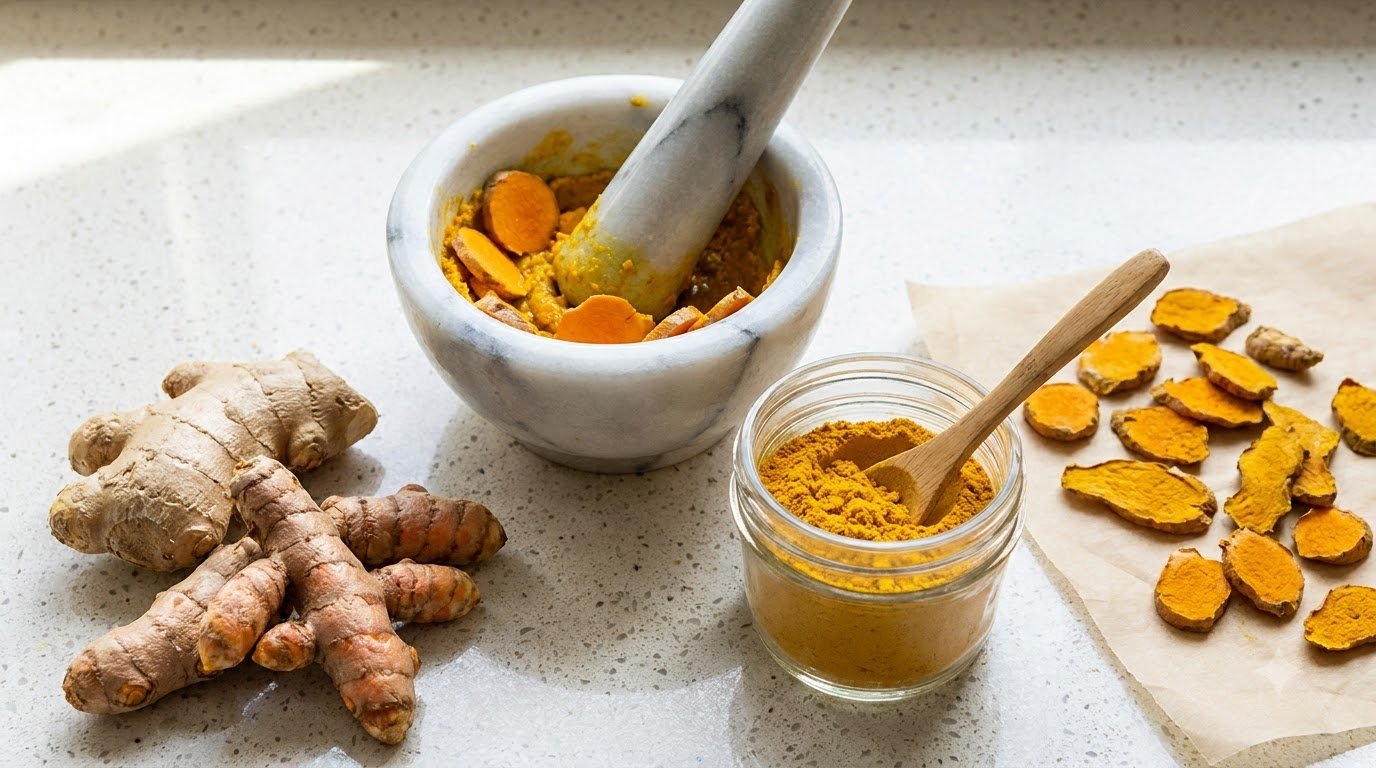
Set a bag of USDA organic turmeric powder next to a bag of ordinary supermarket turmeric, and visually, the two look almost identical. The real difference is entirely in how each one got there — and in the paperwork that stands behind it.
USDA Organic Turmeric vs. Conventional Turmeric
Conventional turmeric can still be grown responsibly — but without certification, these practices are not independently verified.
Health Benefits of USDA Organic Turmeric Powder
The wellness reputation attached to organic turmeric powder comes down almost entirely to curcumin, one of the most studied plant compounds on the market. A few of the benefits with the strongest research behind them:
Anti-Inflammatory Activity
Curcumin is widely regarded as one of the more potent natural anti-inflammatory compounds identified in food-grade botanicals, which is part of why USDA organic turmeric powder is a common addition to anti-inflammatory diets and functional-food formulations.
Antioxidant Support
Curcumin neutralizes free radicals directly and also appears to stimulate the body's own antioxidant defenses, helping protect cells from everyday oxidative stress.
Joint and Mobility Support
Several clinical studies point to curcumin supplementation easing joint stiffness, which is part of why USDA organic turmeric powder and curcumin extracts show up so often in joint-health formulas.
Everyday Absorption Tip
Curcumin on its own absorbs poorly. Pairing USDA organic turmeric powder with a pinch of black pepper (piperine) and a source of healthy fat is a simple, well-documented way to meaningfully improve absorption.
Curcumin absorbs poorly on its own. A pinch of black pepper and a little healthy fat alongside USDA organic turmeric powder can measurably improve how much of it your body actually takes up.
How to Verify Authentic USDA Organic Turmeric Powder
With organic turmeric now sold everywhere from big-box retailers to small direct-import brands, quality and authenticity vary widely. Before you place an order — whether it's a single retail bag or a container load — run through this checklist:
- Check the USDA Organic Integrity Database. The USDA maintains a free, public database where any buyer can confirm that a supplier's organic certification is currently active and covers the exact product being purchased.
- Request a current-year certificate. Match the certifying agent's name, certificate number, and listed scope against what you're actually buying.
- Ask for a Certificate of Analysis. A legitimate COA shows curcumin percentage, moisture content, ash content, microbial counts, and pesticide residue results.
- Screen for adulteration. Turmeric is occasionally cut with starch fillers or synthetic dyes to boost color and weight. Reputable suppliers test specifically for these and can show you the results.
- Confirm traceability. A supplier who can identify the harvest region, harvest window, and processing facility for a specific lot is running a genuinely organic supply chain, not just holding a piece of paper.
Why US Buyers Source USDA Organic Turmeric Powder from India
India accounts for the large majority of global turmeric production, which makes it the natural origin point for most of the USDA organic turmeric powder imported into the United States. Buying directly from an Indian exporter — rather than through a multi-layer distribution chain — gives US brands a few concrete advantages:
- Control over specification. Buyers can request a specific curcumin range, a mesh size for the ground powder, and steam sterilization (a non-chemical pathogen-reduction step increasingly requested by US and EU food manufacturers) rather than accepting whatever grade a distributor happens to be holding.
- Shipment-level documentation. Each export lot arrives with its own organic transaction certificate, phytosanitary certificate, and Certificate of Analysis — not a single annual certificate covering an unspecified mix of batches.
- Direct communication with the processing facility. Questions about harvest timing, drying method, or storage conditions can be answered by the people actually running the operation.
Shipments typically move by ocean freight into major US ports — New York/New Jersey, Los Angeles/Long Beach, and Savannah are common entry points — accompanied by the documentation US Customs and the FDA require for a food-grade botanical import, including prior notice filing and country-of-origin labeling compliance.
Ways to Use USDA Organic Turmeric Powder Every Day
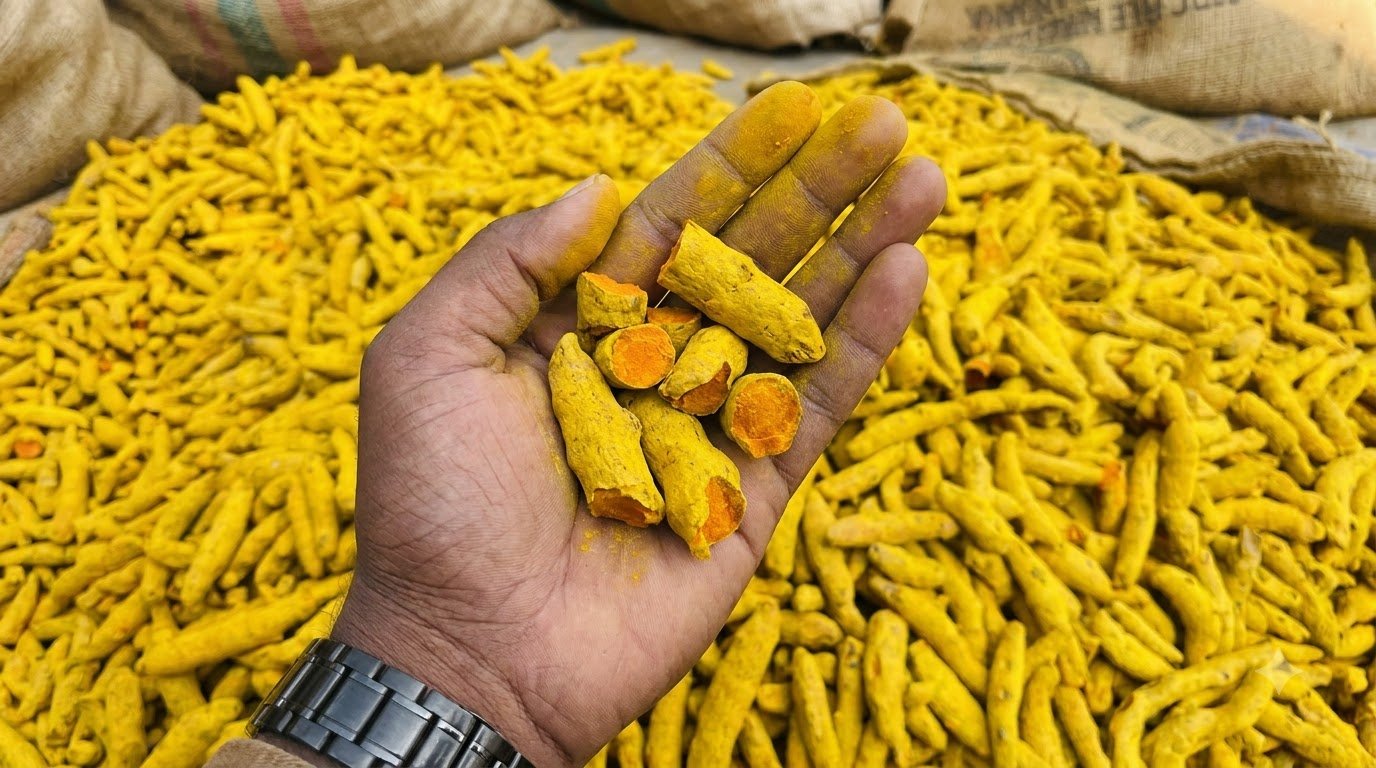
You don't need to run a supplement brand to benefit from USDA organic turmeric powder. Here are the most popular ways it shows up in everyday American kitchens:
- Golden milk: Whisk half a teaspoon of USDA organic turmeric powder into warm milk (dairy or plant-based) with a pinch of black pepper and a touch of honey.
- Turmeric tea: Stir a small amount into hot water with fresh ginger and lemon for a caffeine-free warming drink.
- Smoothies: A quarter teaspoon blends well with mango, pineapple, or ginger without overpowering the flavor.
- Everyday cooking: Use it in curries, soups, roasted vegetables, rice, and even scrambled eggs — a little goes a long way.
- DIY skin paste: Mixed with yogurt or honey, USDA organic turmeric powder is a traditional face-mask ingredient — just patch-test first, since it can temporarily stain lighter skin.
Storing USDA Organic Turmeric Powder Correctly
USDA organic turmeric powder is a hardy spice, but it still rewards careful storage. Keep it in an airtight glass or opaque container, away from direct sunlight, heat, and humidity — a cool pantry shelf works far better than a rack mounted above the stove. Stored this way, most USDA organic turmeric powder holds its curcumin content and aroma for roughly 24 months. Skip the refrigerator for dry powder; temperature swings cause condensation, which leads to clumping.
Frequently Asked Questions
What is USDA organic turmeric powder?
USDA organic turmeric powder is turmeric that has been grown, harvested, and processed according to the USDA's National Organic Program standards, then verified by an accredited certifying agent. It is produced without synthetic pesticides, synthetic fertilizers, or genetically modified planting material, on land that has been chemical-free for at least three years.
How is turmeric powder USDA certified organic?
A certifying agent inspects the farm and processing facility, reviews input and harvest records, and confirms compliance with National Organic Program rules before issuing an organic certificate. Certification is renewed annually, and each export shipment is issued its own transaction certificate.
What curcumin percentage should USDA organic turmeric powder contain?
Curcumin content in USDA organic turmeric powder typically ranges from 3% to 12% by HPLC testing. Culinary-grade powder usually runs 3-5%, supplement-grade runs 5-7%, and high-curcumin or extract-grade material can reach 9-12%. A Certificate of Analysis should confirm the exact percentage before you buy.
Is USDA organic turmeric powder different from regular organic turmeric powder?
USDA organic is a specific, legally regulated certification issued under US federal standards. Some turmeric is labeled generically as organic without holding USDA certification, or it carries a different country's organic standard instead. Only turmeric certified under the USDA National Organic Program, or an equivalent standard with a recognized trade arrangement, can legally use the USDA organic seal in the United States.
How can I verify a supplier's USDA organic certification?
Ask for the supplier's current organic certificate and confirm the certifying agent's name and accreditation. US buyers can also search the USDA's public Organic Integrity Database to confirm that a supplier's certification is active and covers the specific product being purchased.
How should I store USDA organic turmeric powder?
Store USDA organic turmeric powder in an airtight, opaque or glass container away from direct sunlight, heat, and moisture. Kept in a cool, dark pantry, it typically retains its curcumin content and aroma for up to 24 months. Avoid refrigerating the powder, since condensation can cause clumping.
Final Thoughts
USDA organic turmeric powder is a genuinely regulated claim, not a marketing label — and that's exactly why it's worth insisting on. The three-year land transition, the annual third-party audits, and the shipment-level paperwork all exist to answer one question for the buyer: can this be trusted without inspecting the farm yourself? For US brands and consumers alike, the answer starts with the certificate, gets confirmed by the Certificate of Analysis, and ends with a supplier who is happy to show you both.
Whether you're stocking a single kitchen pantry or filling a supplement production line, the fundamentals don't change: confirm the USDA organic certification, check the curcumin percentage, verify the paperwork, and buy from a supplier who can trace the powder back to the farm it came from.